

Best Coffee Grounds for Every Brewing Method
The difference between a mediocre cup and one that makes you pause and savor it? Coffee grounds. Not just any grounds, but the right ones matched to your brewing method, freshness level, and flavor preference. If you've ever wondered why your pour-over tastes flat or your French press tastes bitter, the answer often lies in how your coffee was ground and when.
Getting this right transforms your morning routine. You'll extract the full flavor potential from your beans, enjoy better aroma, and actually taste the craftsmanship that goes into specialty coffee. Let's walk through what matters and how to choose coffee grounds that deliver.
Related: Best Specialty Coffee for Home Brewing in 2026
In this article
- Why Grind Size Matters for Coffee Grounds
- Coffee-to-Water Ratio: The Foundation of Flavor
- Freshness: The Hidden Variable in Every Brew
- Roast Level and Flavor Profile
- Organic and Quality Testing Matter
- Matching Grounds to Your Brewing Method
- Storage and Shelf Life for Ground Coffee
- Building Your Coffee Routine
Why Grind Size Matters for Coffee Grounds
Grind size is the single biggest factor in extraction. Finer grounds expose more surface area to water, which means faster extraction. Coarser grounds extract more slowly. Get this wrong and you'll either under-extract (weak, sour coffee) or over-extract (bitter, astringent). The sweet spot depends entirely on your brewing method.
Pour-over requires a medium grind that resembles sand. French press needs coarse grounds so they don't slip through the mesh filter. Espresso demands a fine, almost powdery grind for that tight puck resistance. Moka pots sit somewhere in the middle. AeroPress is flexible, but medium-fine works beautifully. Turkish coffee requires the finest grind you can get, almost a powder.
When you buy pre-ground coffee, you're trusting that roaster has sized it correctly. Everline Coffee Co. grinds their coffee to order, which means your grounds arrive fresh and sized for your specific brewing method. No guessing, no settling for a generic grind that works for everything but excels at nothing.
Related: Best Iced Coffee for Every Time of Day
Coffee-to-Water Ratio: The Foundation of Flavor
Once you have the right grind size, ratio is your next lever. Too much water and your coffee tastes weak and washed out. Too little and it becomes undrinkably strong. Most specialty coffee enthusiasts aim for what's called the "golden ratio," which is roughly 1 part coffee to 16-17 parts water. But this is a starting point, not a rule.
You might prefer it stronger at 1:15 or lighter at 1:18. Brewing method affects this too. French press often works better at 1:15 because immersion is less efficient than percolation. Pour-over can shine at 1:17 because the flow rate and contact time are different. The only way to know your preference is to dial it in with quality grounds and adjust the ratio while keeping everything else constant.
Precision matters here. A kitchen scale takes the guesswork out and turns brewing into something repeatable. You'll know exactly what created that perfect cup and be able to recreate it.
Freshness: The Hidden Variable in Every Brew
Coffee grounds start losing their peak flavor the moment they're ground. Exposure to air begins oxidation, and volatile aromatics that give coffee its complexity fade away. You can have the perfect grind size and ratio, but stale grounds will still taste flat and dull.
Freshly roasted coffee grounds, ground just before brewing, deliver brightness, nuance, and the full character of the beans. That's why whole beans have a longer shelf life than pre-ground coffee. If you do buy pre-ground, use it within two weeks of the roast date for best results. Store it in an airtight container away from light, heat, and moisture.
This is where specialty roasters make a real difference. When you order from Everline Coffee Co., your coffee is ground to order from beans that were roasted recently. You're not buying something that's been sitting on a shelf for months losing its sparkle. You're getting grounds at peak freshness, sealed and shipped to you fast.
Roast Level and Flavor Profile
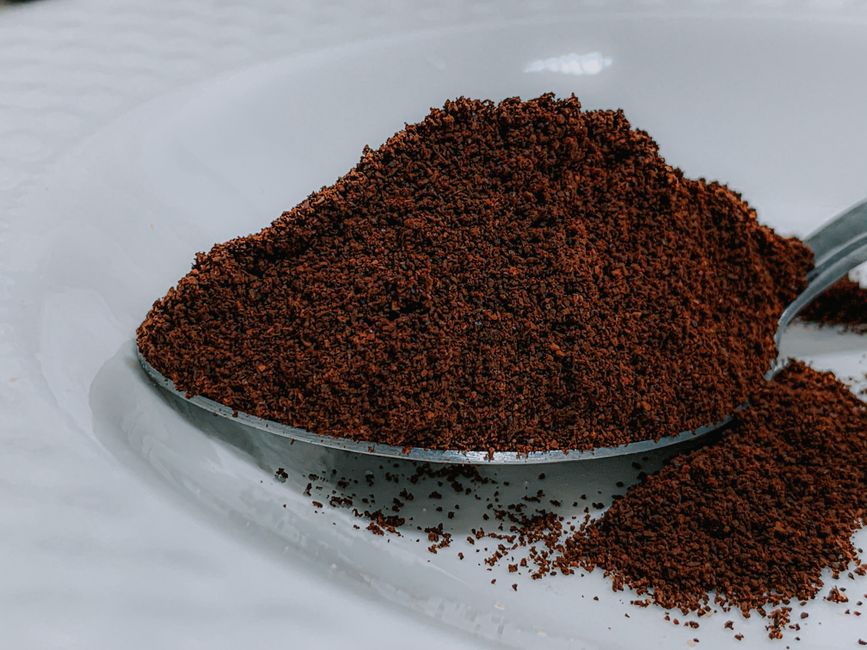
Light, medium, and dark roasts offer completely different flavor experiences. Light roasts preserve the origin characteristics of the beans, so you taste more acidity, fruit notes, and floral complexity. They work beautifully in pour-overs and AeroPress where clarity shines. Medium roasts balance origin flavors with roast character, adding caramel sweetness and body. Dark roasts emphasize bold, smoky, chocolatey notes and lower perceived acidity, making them ideal for French press or espresso where you want full body.
The grind size recommendation stays the same regardless of roast level, but your flavor experience will shift dramatically. Experimenting with different roast profiles in your preferred brewing method is one of the most rewarding parts of being a coffee enthusiast. You might discover that the medium roast hits different when freshly ground, or that a light roast from a specific origin tastes completely alive in your morning ritual.
Organic and Quality Testing Matter
When you're putting something in your body every day, you want assurance it's clean and safe. Quality coffee grounds should be tested for molds, contaminants, and other hazards. Organic coffees are grown without synthetic pesticides or chemical additives, which appeals to many people for both health and environmental reasons.
Reputable roasters stand behind their sourcing and testing practices. You're paying for more than just taste when you choose specialty coffee grounds. You're paying for transparency, safety standards, and farmers who are treated fairly throughout the supply chain. It's part of the farm-to-cup story.
Matching Grounds to Your Brewing Method
Here's a quick reference for the brewing methods you're most likely using at home:
- Pour-over: Medium grind, 1:16 ratio, 3-4 minutes total time. Clean, bright cup with excellent clarity.
- French press: Coarse grind, 1:15 ratio, 4 minutes steep. Full body, rich mouthfeel.
- AeroPress: Medium-fine grind, 1:16 ratio, 1-2 minutes. Smooth, balanced, versatile.
- Espresso: Fine grind, 1:2-3 ratio, 25-30 seconds extraction. Concentrated, intense, crema on top.
- Moka pot: Medium-fine grind, fills the filter basket, 5-10 minutes stovetop. Strong, slightly bitter, great for milk drinks.
- Turkish coffee: Finest grind (powder), 1:20 ratio, slow heating with foam control, 3-4 minutes. Strong, thick, intense.
The best approach is to start with the grind size recommended for your method, then adjust ratio and timing based on taste. If your coffee is sour and thin, try a finer grind or longer brew time. If it's bitter and harsh, go coarser or faster. Small tweaks compound.
When you're ready to level up your coffee game with freshly ground, specialty-grade beans matched to your brewing style, Everline Coffee Co. can guide you through the options and grind to your exact specs. They carry single-origin coffees, curated blends, and flavored options so you can explore and find what resonates with your palate.
Storage and Shelf Life for Ground Coffee

Once you have quality grounds, treat them right. Store them in an airtight container in a cool, dark place. Freezing is actually controversial in specialty coffee circles because condensation can damage grounds when they thaw. Your kitchen cupboard, away from the stove and sunlight, is usually the best bet.
Pre-ground coffee stays at peak quality for about two weeks after the roast date. After that, oxidation becomes noticeable and you'll lose some of the vibrancy. It's still drinkable for several weeks beyond that point, but you're tasting a shadow of what it was fresh.
This is another reason to buy from roasters who can grind to order. You're getting grounds that are days old, not months old. The difference in your cup is immediate and undeniable.
Building Your Coffee Routine
Great coffee grounds are the foundation, but consistency matters too. If you brew with the same method, ratio, and technique every morning, you'll know exactly what variables matter to your palate. You might discover that you prefer a slightly finer grind than the standard recommendation, or that you like your coffee a touch stronger. Those personal calibrations are what turn a good cup into your perfect cup.
Related: Best Coffee for Every Morning Mood
Start with one brewing method you love. Get comfortable with the grind size and ratio. Then experiment with different coffee origins and roast levels to explore flavor. Let your coffee grounds be the variable you change intentionally, and the rest of your routine stay consistent.
If you're looking for the freshest grounds and expert guidance on what will work best for your setup, Everline Coffee Co. has curated selections across roast levels, origins, and flavor profiles. You can browse, read tasting notes, and specify your grind preference at checkout.
What's the best way to store ground coffee?
Keep your grounds in an airtight container in a cool, dark cupboard, away from heat, light, and moisture. Room temperature is ideal. Avoid the refrigerator and freezer because temperature swings and condensation can degrade the coffee. Use your grounds within two weeks of the roast date for peak flavor.
Can I use the same grind for all brewing methods?
Not if you want the best results. Different brewing methods extract at different rates, and grind size controls how quickly water reaches the coffee compounds. A medium grind that's perfect for pour-over will be too fine for French press and will over-extract into bitterness. Spending a few minutes finding the right grind for your method pays off every morning.
How do I know if my coffee grounds are too old?
Stale coffee will taste flat, muted, and lack the brightness or complexity of fresh grounds. If your coffee was ground more than three weeks ago, that's likely the culprit. Check the roast date on the bag. If no date is listed, that's a red flag. Quality roasters always print when their coffee was roasted.
Does roast level affect how I should grind?
No. Light, medium, and dark roasts all use the same grind size for the same brewing method. The roast level affects flavor, body, and acidity, but not the grind structure or extraction rate. A light roast pour-over grind is the same size as a dark roast pour-over grind. The flavor experience will be completely different, though.