

Best Medici Roasting Alternatives 2026: Top Coffee Picks
Table of Contents
- Why Coffee Drinkers Are Seeking Medici Roasting Alternatives in 2026
- Top Medici Roasting Alternatives: A Quick Comparison
- How to Choose Fresh Roasted Coffee Beans for Your Home Setup
- Specialty Coffee Subscription Services That Deliver Consistency
- Coffee Brewing Best Practices for Home: Getting the Most From Your Beans
- Sustainability and Sourcing Transparency in Specialty Coffee
- Conclusion: Finding Your Ideal Medici Roasting Alternative
- Frequently Asked Questions
Last Updated: October 1, 2026
Why Coffee Drinkers Are Seeking Medici Roasting Alternatives in 2026
The hunt for best medici roasting alternatives 2026 has intensified as more home brewers chase café-quality coffee without a café commute. At Everline Coffee, we hear the same story weekly: drinkers loved a roaster once, then freshness slipped, blends changed, or shipping slowed. Specialty coffee is no longer a niche hobby. It's a daily ritual for remote workers, health-conscious professionals, and anyone who wants a consistent cup before 7 a.m.

Top Medici Roasting Alternatives: A Quick Comparison
Most guides to Medici alternatives rank shops by neighborhood. That's the wrong axis. If you're replacing a roaster, what you're actually replacing is a roast profile, a bag price, and a delivery cadence. Below is a comparison built on those three things, plus the brewing method each option suits best.
| Alternative | Typical Roast Range | Flavor Profile | Best Brewing Method | Bag Price (12 oz) | Subscription Available |
|---|---|---|---|---|---|
| Everline Coffee | Light-Medium to Extra Dark | Sweet to bittersweet, low to moderate acidity | Espresso, drip, pour-over | $22.99 | Yes, roast-to-ship |
| Counter Culture Coffee | Light to Dark | Bright, fruit-forward on light end; cocoa and molasses on dark | Pour-over, drip, espresso | Roughly $17-$20 | Yes |
| Blue Bottle Coffee | Light to Medium-Dark | Clean, floral, tea-like; darker lots lean chocolatey | Pour-over, espresso | Roughly $20-$25 | Yes |
| Intelligentsia Coffee | Light to Medium | High acidity, citrus and stone fruit | Pour-over, cold brew | Roughly $18-$22 | Yes |
| Stumptown Coffee Roasters | Medium to Dark | Balanced, caramel and baking spice | Drip, espresso, cold brew | Roughly $17-$21 | Yes |
| La Colombe | Medium to Dark | Smooth, low acidity, chocolate-forward | Espresso, drip, cold brew | Roughly $16-$20 | Yes |
| Local independent roasteries | Varies widely | Varies; ask for cupping notes | Ask the roaster | Varies | Often, but not always |
Roast Level and Flavor Profile Comparison
Here's the practical mapping most home brewers land on:
- Espresso: medium-dark to dark. Oily beans, low acidity, and enough body to cut through milk. Light-roast espresso is possible but demands a finer grind and a longer ratio, and it's unforgiving on entry-level machines.
- Pour-over: light to medium. This is where acidity and origin character show up. A dark roast through a pour-over tastes flat because the roast has already burned off the compounds you're trying to extract.
- Cold brew: medium to dark. The long steep amplifies roast character, so a light roast can turn sour and a very dark roast can turn ashy. Medium is the safer middle.
- Drip: medium. Forgiving across grind sizes and brew times, which is why it's the default for most households.
- French press: medium to dark. The metal mesh filter lets oils through, so darker roasts taste richer here than they do through paper.
Brewing Method Compatibility at a Glance
If you already own your equipment and don't plan to change it, work backward from the brewer:

- Pour-over (V60, Chemex, Kalita): prioritize light and medium roasts with a stated roast date. Grind medium, aim for a 1:16 ratio, and expect a 3-4 minute total brew time.
- Espresso machine: prioritize medium-dark and dark roasts, or a roaster's dedicated espresso blend. Grind fine, and expect to dial in the grind by taste rather than by recipe.
- Cold brew: prioritize medium roasts and coarse grinds. Steep 12-18 hours at room temperature or 18-24 hours in the refrigerator for a smoother result.
- Drip machine: medium roasts, medium grind, and don't overthink it. Freshness matters more than origin here.
- Moka pot: medium to dark, fine-medium grind. The stovetop pressure rewards darker roasts the same way espresso does.
How to Choose Fresh Roasted Coffee Beans for Your Home Setup
Choosing fresh roasted coffee beans comes down to three checks: roast date, roast level, and grind size. A roast date within two weeks of arrival matters more than any origin story. Roast level should match your brewing method. Grind size should match your equipment, from fine for espresso to coarse for cold brew.
- Check the roast date, not just the best-by date
- Confirm the roast level suits your brewer
- Match grind size to your brewing method
- Store beans airtight, away from light and heat
- Buy in quantities you'll finish within three weeks
Specialty Coffee Subscription Services That Deliver Consistency
Specialty coffee subscription services solve the freshness problem by shipping on a roast schedule rather than a warehouse schedule. That consistency is the whole point. A subscription removes the guesswork of reordering and keeps a predictable rotation of seasonal blends and micro-lot releases arriving on time.
The Mechanics That Matter
- Roast-to-ship timing. The best subscriptions roast after you order, not before. Ask how many days pass between roast and ship. Under 48 hours is the target; a week is acceptable; a month is a warehouse, not a roastery.
- Cadence. Weekly, biweekly, and monthly are standard. Biweekly suits one-cup-a-day drinkers; monthly suits weekend brewers. Some services let you pause, skip, or swap a shipment without a fee, that flexibility is worth more than a small discount.
- Grind choice. Whole bean is the default and the right call if you own a grinder. If you don't, choose the grind that matches your brewer at checkout and accept that the coffee will stale faster once ground.
- Origin rotation vs. fixed blend. A rotating subscription exposes you to new origins; a fixed blend guarantees the same cup every morning. Neither is better, they serve different drinkers.
- Shipping. Most national roasters ship free above a threshold, often around $30-$50, and charge a flat rate below it. Local roasters may offer same-day or next-day delivery within their metro area.
How the Major Options Compare
| Service | Cadence Options | Roast-to-Ship | Grind Choice | Notes |
|---|---|---|---|---|
| Everline Coffee | Flexible, roast-to-ship | Ships fresh after order | Whole bean or ground | $22.99 per bag; curated lineup from Blonde to Italian Roast |
| Counter Culture Coffee | Weekly to monthly | Roasts to order | Whole bean or ground | Strong single-origin rotation |
| Blue Bottle Coffee | Weekly to monthly | Roasts to order | Whole bean or ground | Subscription discounts on recurring orders |
| Intelligentsia Coffee | Weekly to monthly | Roasts to order | Whole bean or ground | In-season single origins |
| Stumptown Coffee Roasters | Weekly to monthly | Roasts to order | Whole bean or ground | Blend-focused subscriptions |
| La Colombe | Weekly to monthly | Roasts to order | Whole bean or ground | Canned and draft options alongside beans |
Cadences and discounts change often, so confirm current terms at checkout. The pattern that holds: national roasters converge on the same weekly-to-monthly structure, and the real differentiators are roast-to-ship speed, grind flexibility, and whether you can pause without penalty.

Matching a Subscription to Your Routine
- One cup a day, single drinker: a 12-ounce bag lasts roughly two weeks at 18-20 grams per cup. Biweekly is the natural cadence.
- Two cups a day or two drinkers: monthly shipments of two bags, or biweekly single bags. Buying in larger quantities usually lowers the per-ounce price.
- Weekend-only brewer: monthly is plenty, and a smaller bag beats a larger one that goes stale.
- Espresso-focused: prioritize roasters with a dedicated espresso blend and a stated roast date, and expect to go through beans faster while dialing in a new bag.
Everline Coffee's subscription model fits remote workers who want the same reliable cup daily without experimentation. If you're not into the "coffee ritual" lifestyle and just need consistent flavor, that's exactly the use case a subscription serves.
Coffee Brewing Best Practices for Home: Getting the Most From Your Beans
Coffee brewing best practices for home start with water temperature and ratio. Water between 195°F and 205°F extracts properly. A ratio near 1:16 coffee to water keeps flavor balanced. Grind size, brew time, and bean freshness do the rest.
Sustainability and Sourcing Transparency in Specialty Coffee
Sustainability and sourcing transparency separate serious roasters from label-deep marketing. Direct trade relationships, natural and wet-mill processing, and clear origin disclosure all signal a roaster that knows its supply chain. The House Blend, for example, uses both natural and wet-mill washed processing, techniques that are friendlier to rain forests and the high-elevation growing regions.
Conclusion: Finding Your Ideal Medici Roasting Alternative
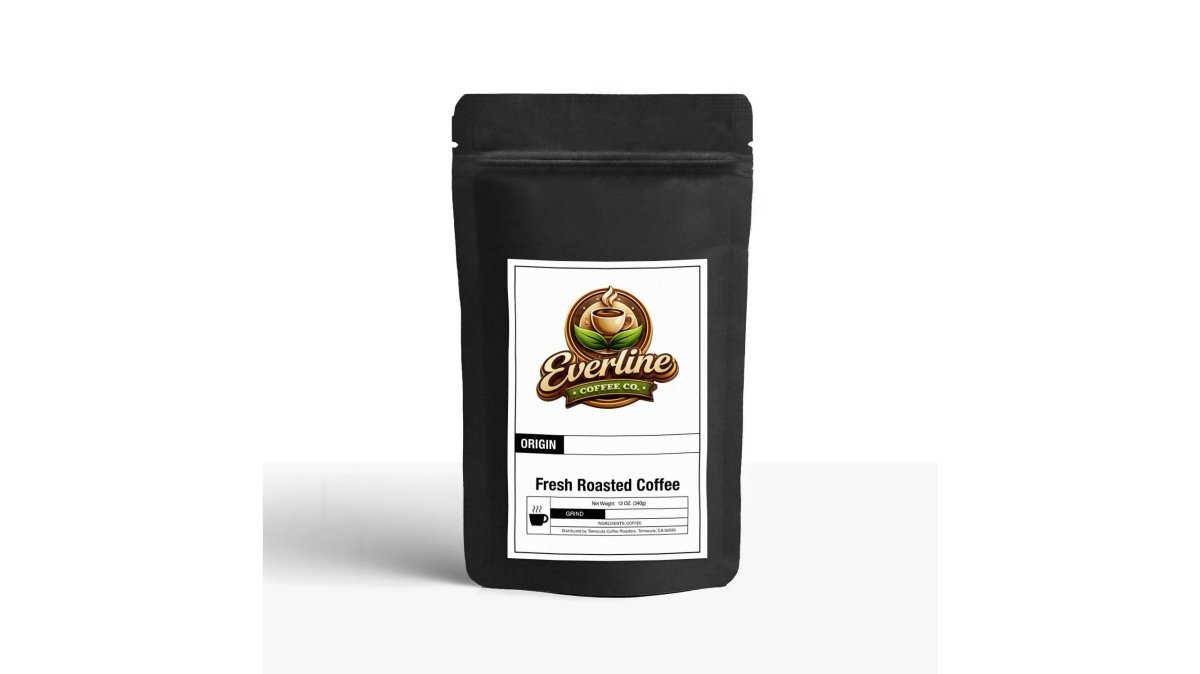
The right alternative isn't the trendiest name. It's the roaster that delivers fresh roasted beans, consistent roast profiles, and a subscription that fits your actual morning. Everline Coffee was built for exactly that: a precision roasting process, a curated lineup from Blonde to Italian Roast, and fast delivery so beans arrive inside their optimal window. Every bag is $22.99, whether you're chasing a sweet espresso or a bold dark roast.
Frequently Asked Questions
What should I look for when switching to a new specialty coffee brand?
Focus on roast date, origin transparency, and flavor notes that match your preferences. Fresh roasted beans peak between 5 and 14 days after roasting, so check whether the roaster prints the roast date on the bag. Look for single-origin or blend descriptions that mention specific tasting notes like chocolate, citrus, or caramel. If you brew espresso, confirm the roast works for your method. Everline Coffee, for example, lists roast level and origin details on every bag, which makes comparing options easier.
How does precision roasting impact the flavor profile of specialty beans?
Precision roasting controls temperature and timing to develop specific flavors without scorching or under-developing the beans. A medium roast might highlight nutty and sweet chocolate notes, while a dark roast brings out bittersweet, low-acidity flavors. When a roaster applies consistent profiles batch after batch, you get the same cup every morning. This consistency matters most for home brewers who want a reliable daily ritual rather than a surprise each time.
Are specialty coffee subscription services worth it compared to buying locally?
Subscriptions solve the freshness problem by shipping beans shortly after roasting. If your local shop sells beans that sat on a shelf for weeks, a subscription often delivers a noticeably fresher product. Many services let you set delivery frequency to match your consumption, so you avoid stale bags. For remote workers who brew at home daily, a subscription removes the need to remember reordering and keeps a steady supply of fresh roasted coffee on hand.
How do artisan coffee roasters compare in terms of flavor consistency?
Consistency depends on how tightly a roaster controls each batch. Artisan roasters who track roast curves and cup every batch tend to produce more repeatable results. Smaller operations may vary slightly from lot to lot, which some drinkers enjoy as seasonal variation. If you want the same flavor every morning, look for roasters that describe their approach to consistency and offer blends designed for repeatability, like a house blend or a flagship espresso blend.
What brewing method works best for dark roast versus medium roast coffee?
Dark roasts work well with espresso machines, Moka pots, and French press because their bold, low-acidity profile stands up to intense extraction. Medium roasts suit pour-over, drip, and cold brew, where you can taste the nuanced notes like citrus or caramel. If you brew with a pour-over cone, start with a medium grind and a 1:16 coffee-to-water ratio. For espresso, a finer grind and a darker roast help you pull a balanced shot without sourness.
Switching roasters shouldn't mean gambling on freshness every month. Everline Coffee offers fresh roasted coffee beans, premium specialty blends, and a precision roasting process that keeps flavor consistent bag after bag, backed by fast delivery and a subscription built around your routine. Get started with Everline Coffee and make your morning cup the most reliable part of your day.