

Coffee Bean Origin Taste Differences Explained
Your coffee's flavor story starts thousands of miles away in the mountains where it grew. The region, altitude, soil, and climate all team up to create wildly different taste experiences. Understanding coffee bean origin taste differences isn't just nerdy stuff for coffee snobs—it's the key to finding beans you'll actually love.
In this article
- What Makes Origin So Important for Coffee Taste
- African Coffee Beans: Bright, Juicy, and Bold
- Central American Coffee: Fruity and Balanced
- South American Coffee: Smooth, Chocolatey, and Dependable
- Asian Coffee Beans: Dark, Earthy, and Deep
- How Roast Level Changes Your Origin Story
- Blended Coffees: Why Origins Mix
- How to Taste the Difference for Yourself
- Storage Matters More Than You Think
- Grind Size and Origin Connection
- Why Tasting Notes Matter
- The Simple Origin-to-Flavor Cheat Sheet
- Building Your Personal Origin Story
What Makes Origin So Important for Coffee Taste
Coffee beans are basically little flavor sponges. They absorb everything from their environment. The altitude where they grow, the rainfall patterns, the soil composition—it all gets locked into those beans before they're even roasted.
Related: Coffee Bean Flavor Profile Guide: Taste Notes Explained
Think of it like wine. Grapes grown on a hillside taste different from grapes in a valley. Coffee works the same way. A bean from Kenya tastes nothing like a bean from Colombia because they grew up in completely different worlds.
When you're shopping for fresh beans at Everline Coffee Co., you're really shopping for geography. The origin label tells you exactly what flavor profile to expect.
Related: What Is Single Origin Coffee Beans? A Complete Guide
African Coffee Beans: Bright, Juicy, and Bold
African coffees are the extroverts of the coffee world. They're loud, vibrant, and impossible to ignore.
Beans from countries like Ethiopia, Tanzania, and Kenya are packed with acidity. Don't let that word scare you—in coffee language, acidity means brightness and complexity, not sourness. It's what makes your mouth light up.
These beans typically get roasted lighter to preserve all that character. A light roast on an African bean keeps those fruity, floral, and juicy notes front and center. You'll taste berries, citrus, and sometimes even wine-like qualities. It's genuinely wild.
The reason? African highlands sit at high altitudes with intense sun and volcanic soil. Those conditions create beans with naturally higher acidity and vibrant flavor compounds.
Central American Coffee: Fruity and Balanced
If African coffee is bold and loud, Central American coffee is the reliable friend who always knows what to say.
Countries like Costa Rica, Honduras, and Guatemala produce beans with fruit-forward flavors but way more balance. You'll find notes of stone fruits, berries, and chocolate without the sharp brightness you get from Africa.
Central American beans sit in that sweet spot between body and acidity. They're medium-bodied, meaning they feel smooth on your tongue without being heavy. Perfect if you like coffee that tastes interesting but doesn't demand your full attention.
These beans do great at multiple roast levels too. Light roast brings out the fruit. Darker roasts emphasize chocolate and nutty undertones. It's flexibility that makes Central America a favorite for blended coffees.
South American Coffee: Smooth, Chocolatey, and Dependable
Brazilian and Colombian beans are the workhorses of the specialty coffee world.
South American coffees are medium-bodied with lower acidity than their African counterparts. That means they taste smoother, rounder, and more forgiving. You get chocolate, nuts, and caramel without the sharp tang.
Brazil especially produces massive quantities of super reliable, chocolate-forward beans. Colombia gives you more complexity while staying smooth. Both regions are perfect if you want a daily drinker that won't surprise you—in a good way.
The climate in South America is more stable than Africa. Less intense sun, different soil composition. The result is beans that are just naturally sweeter and less acidic. No tricks needed.
Asian Coffee Beans: Dark, Earthy, and Deep

Asian coffees—from Indonesia, Vietnam, and India—are the dark horses nobody expects to love.
These beans get roasted dark. Like, really dark. And that's intentional. The roasting process brings out earthy, chocolatey, and sometimes smoky flavors that define these origins.
Asian beans have lower acidity and heavier body than most other regions. When you sip them, the coffee feels thick and rich on your tongue. You might taste tobacco, leather, mushroom, or deep chocolate. They're polarizing—people either love this profile or they don't.
The humidity in countries like Indonesia creates unique fermented, earthy qualities that you won't find anywhere else. It's a completely different experience from African brightness.
How Roast Level Changes Your Origin Story
Here's something most people miss: roast level is basically a language that different origins speak.
African beans usually come light or medium roasted. This preserves their acidity and fruity character. Dark roast an African bean and you lose the whole point—you're masking what makes it special.
Asian beans, on the flip side, are almost always dark roasted. A light roast wouldn't give you the deep flavors those beans are built for. Different regions work best at different roast levels because of what's naturally in the beans.
When you're browsing options at Everline Coffee Co., check the roast level. It should match the origin. If something seems off, ask why. Good roasters know which roast level lets each origin shine.
Blended Coffees: Why Origins Mix
Single-origin coffees are fun, but blended coffees are where roasters show their skill.
Related: Single Origin Coffee: What It Is & Why Coffee Lovers Choose It
Related: Best Places to Buy Premium Single Origin Coffee 2026
A blend might combine an African bean for brightness, a Central American bean for balance, and an Asian bean for body. Together, they create something better than any single origin could do alone.
Blends let roasters smooth out any rough edges and create consistent flavor year after year. If your favorite blend tastes the same whether you buy it in January or July, that's because the roaster is mixing origins to hit a target profile.
Both blends and single-origins have their place. Single-origins let you taste geography. Blends let you taste craftsmanship.
How to Taste the Difference for Yourself
Reading about origin differences is cool. Tasting them is life-changing.
Here's the best way to do it: buy three different single-origin coffees from three different regions. Use the same brewing method for all three. Same water temperature, same grind size, same timing. Change nothing except the beans.
Brew them on different days so you have a few hours between tastings. Your palate gets fatigued if you taste everything back-to-back. Compare notes. What's different? Which one tastes brighter? Which feels heavier? Which one do you want to drink again?
Start with something obvious like an African bean versus an Asian bean. The difference is huge. Once your palate gets trained, you can taste subtler differences between regions.
If you want to level up, try blind taste tests. Have someone else prepare three cups without telling you which origin is which. Can you guess? It's harder than you think, and it's the best way to really learn what you're tasting.
Storage Matters More Than You Think
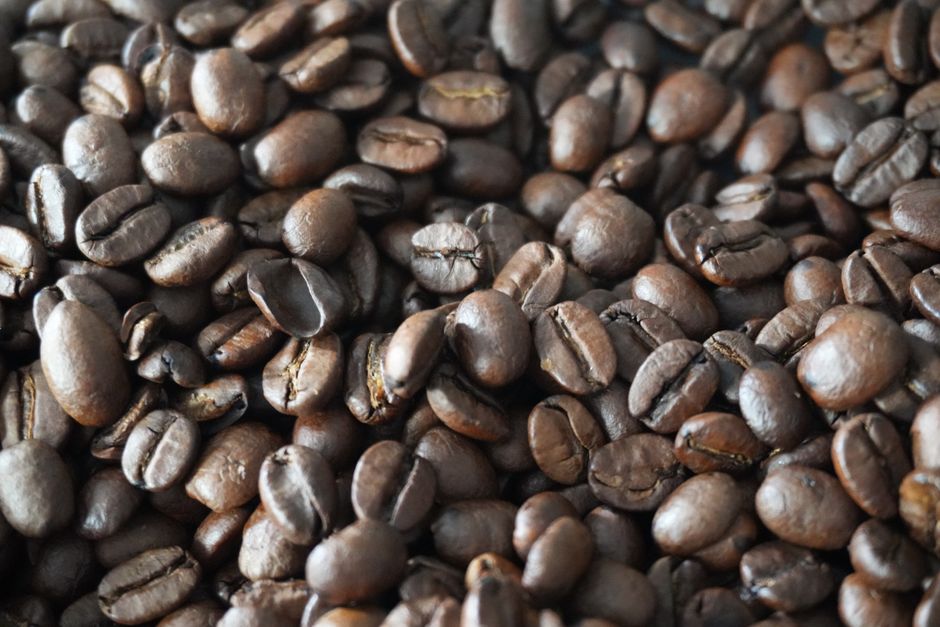
Once you buy great beans, storage becomes critical.
Each origin has specific flavor compounds that make it special. Those compounds are volatile—they disappear quickly if you don't store beans correctly.
Keep beans in an airtight container away from light, heat, and moisture. Room temperature is perfect. A cool, dark pantry is ideal. Don't freeze beans unless you're storing them for months.
Grind right before you brew. This sounds obvious, but it's true. Ground coffee loses its character fast. Whole beans stay fresh longer because the bean itself protects those delicate flavor compounds.
Buy smaller quantities more often rather than stockpiling. Fresh is always better. Most specialty roasters, including Everline Coffee Co., roast frequently and ship fast so you get beans at peak freshness.
Grind Size and Origin Connection
Here's something that trips people up: different origins can need slightly different grind sizes for best extraction.
Denser beans—like many Asian coffees—might benefit from a slightly finer grind to extract properly. Lighter, more porous African beans sometimes do better with a slightly coarser grind to avoid over-extraction.
This matters most if you're using a French press or pour-over. Espresso is more forgiving because the pressure does the heavy lifting.
The practical advice: start with the grind size your brewing method recommends. Then adjust slightly based on how the coffee tastes. Too bitter? Go coarser. Too weak or sour? Go finer. Pay attention to the origin and adjust accordingly.
Why Tasting Notes Matter
When you see "notes of blueberry and chocolate" on a bag of beans, that's not poetry—it's a map.
Good roasters taste their beans and describe what they actually taste. These descriptions come from real flavor compounds in the beans, usually determined by origin and roast level.
Tasting notes help you predict whether you'll like something before you buy. If you love chocolate and caramel, go for South American or Asian beans. If you love bright, fruity flavors, choose African.
Over time, you'll start recognizing flavor patterns by origin. "Oh, this is African because it's fruity and acidic." You'll become that person at brunch who actually knows what they're talking about.
The Simple Origin-to-Flavor Cheat Sheet
Need a quick reference? Here's what each region typically delivers:
- Africa: Fruity, bright, acidic, floral, wine-like. Light roast.
- Central America: Balanced, fruity, chocolate, nuts. Medium roast.
- South America: Smooth, chocolate, caramel, sweet. Medium to dark roast.
- Asia: Earthy, deep, smoky, body-forward. Dark roast.
This isn't law. It's a starting point. Lots of exceptions exist. But it's a solid framework for making your first choices.
Once you've explored different origins, you'll develop your own preferences. Some people become total African coffee converts. Others only want smooth, chocolatey South American beans. There's no wrong answer—only what tastes good to you.
Building Your Personal Origin Story
The whole point of understanding coffee bean origins is so you can find what you actually like to drink.
Start with single-origin coffees from different regions. Take notes. Pay attention. Over a few weeks, you'll start recognizing patterns in what appeals to you.
Then use that knowledge to explore deeper. Once you know you love African coffees, try different African countries. Ethiopia tastes different from Kenya, which tastes different from Tanzania. Same continent, wildly different cups.
The journey never really ends, which is the best part. There are thousands of microlots and small farms producing coffee with unique characteristics. Everline Coffee Co. regularly sources small-batch origins so you can keep discovering new flavor profiles.
Coffee doesn't have to be complicated. But it can be as complex as you want it to be. Understanding origin is your ticket to making the choice intentional instead of random.
Does origin really matter that much?
Absolutely. Origin determines maybe 60-70 percent of a coffee's flavor profile. Growing conditions, altitude, and soil create the base flavor. Roasting and brewing matter too, but you can't add character that isn't already there. If you start with great beans from a good origin, everything downstream gets easier.
Can I taste the difference between origins if I'm not a coffee expert?
Yes. The bigger the difference between origins, the easier it is to taste. An African bean versus an Asian bean? Totally different. Anyone can taste that. Subtle differences between two Central American countries? That takes practice. Start obvious and work your way toward subtlety. Your palate will develop faster than you think.
Should I always buy single-origin or are blends okay?
Both are great for different reasons. Single-origins let you explore and learn. Blends are designed for consistent, balanced cups. If you're building your coffee knowledge, spend time with single-origins from different regions. Once you know what you like, feel free to love a good blend. There's no shame in it.
How fresh does origin-based coffee need to be?
Origin flavors shine brightest when beans are fresh-roasted. Peak flavor is roughly 2-4 weeks after roasting. Beyond that, those bright fruity and acidic notes start fading, especially on African coffees. Dark roasts stay good longer. Buy in quantities that let you finish beans within a month. Everline Coffee Co. roasts fresh and ships fast so your beans arrive at peak freshness, ready for you to experience the full expression of their origin.