

Best Coffee Tasting Notes Chart for Beginners
You're holding a fresh cup of coffee, but when someone asks what you taste, all you can say is "it's good." That gap between enjoying coffee and actually describing what you're tasting is exactly what a coffee tasting notes chart solves. Whether you're sipping a single-origin brew or exploring a carefully crafted blend, learning to identify and articulate tasting notes transforms your entire coffee experience from passive drinking to active discovery.
The good news? You don't need years of training or expensive equipment. You need a simple framework, a bit of practice, and access to quality beans worth tasting. Let's walk through how to build your tasting vocabulary and start noticing the flavors you've been missing.
In this article
- What Are Coffee Tasting Notes and Why They Matter
- The Five Core Elements to Evaluate
- How to Use a Tasting Notes Chart as a Beginner
- How Brewing Variables Shape What You Taste
- Building Your Palate Over Time
- Distinguishing Aroma from Flavor
- Building Your Personal Tasting Notes Chart
- Common Beginner Mistakes to Avoid
What Are Coffee Tasting Notes and Why They Matter
Coffee tasting notes are descriptors that capture the flavors and aromas you experience in your cup. They're not made up or fanciful. When you see a bag labeled with notes like "chocolate," "berry," or "citrus," those aren't guesses. They're observations based on actual flavor compounds present in the beans.
Understanding tasting notes matters because it helps you:
- Make smarter coffee choices based on flavor preferences rather than brand names
- Appreciate the work that goes into sourcing and roasting
- Discover new coffees you'll actually love
- Communicate with other coffee lovers about what you're experiencing
When you browse specialty coffee options at Everline Coffee Co., the tasting notes on each bag become a meaningful guide instead of confusing jargon. You'll understand why one coffee might be perfect for your morning and another ideal for an afternoon pour-over.
Related: Best Tasting Coffee Subscription: A Honest Guide for 2026
Related: Best Tasting Notes in Specialty Coffee: A Buyer's Guide
The Five Core Elements to Evaluate
Before you worry about identifying specific flavors, start by training yourself to notice these five foundational qualities in any cup:
Body. This is the weight and texture of the coffee on your tongue. Does it feel light and tea-like, or heavy and syrupy? Body is largely determined by brewing method and how long water contacts the grounds.
Sweetness. Good coffee has natural sweetness, not added sugar. You're looking for caramel-like, honey-like, or fruit-like sweetness. Bitterness and sweetness often balance each other, so noticing one helps you understand the other.
Acidity. Acidity isn't a bad thing in coffee. It's the brightness or liveliness you feel. High acidity coffees often taste citrusy or wine-like. Low acidity coffees feel smoother and rounder. Single-origin beans from places like Ethiopia and Colombia tend to show higher acidity than others.
Flavor. Once you've noted body, sweetness, and acidity, flavor is where the specifics emerge. This is where you identify those notes you see on the bag: chocolate, nuts, berries, florals, spices.
Finish. After you swallow, what lingers? Does the flavor fade quickly or stick around? Does it shift from one flavor to another? The finish tells you a lot about complexity and roast level.
How to Use a Tasting Notes Chart as a Beginner
A tasting notes chart works like a flavor dictionary. Instead of staring blankly at your cup wondering what that taste is, you refer to your chart and ask, "Does this taste more like chocolate or tobacco? More like lemon or orange?"
Here's the practical approach:
Start with intensity scoring. Many tasting charts use a scale where you assign each reference an intensity score, typically from 1 to 15. Aroma references (what you smell) and flavor references (what you taste) get their own scores. You don't need to be perfect here. A 7 or 8 for "chocolate" just means it's present and noticeable, not subtle or overwhelming.
Create a personal reference document. Grab a notebook, a spreadsheet, or notes app. Write down the coffee's name, roast date, brewing method, and your observations for each of the five core elements. Over time, this log becomes invaluable. You'll spot patterns in what you like, and you'll have concrete records of how different variables affected flavor.
Taste side-by-side. One of the fastest ways to develop your palate is comparative tasting. Brew two different coffees and alternate sipping between them. The differences become dramatically more obvious when you're tasting one right after the other. This is especially helpful when you're new to tasting notes because the contrast trains your taste buds faster than drinking a single coffee.
When you're ready to explore options with tasting notes already documented, Everline Coffee Co. provides detailed flavor profiles for each single-origin and blend so you know exactly what to expect before you brew.
How Brewing Variables Shape What You Taste

Here's something beginners often miss: the same coffee beans brewed two different ways can taste noticeably different. Your tasting notes chart should include notes on how you brewed the coffee because the brewing method directly influences the flavors you'll identify.
Related: How to Taste Coffee Flavor Notes Like a Pro
Coffee-to-water ratio. Use more coffee grounds and you'll get a bolder, more intense cup with stronger flavors. Use less and the cup becomes lighter and brighter. A standard ratio is about 1 part coffee to 16 parts water, but adjusting this dramatically changes what ends up in your cup.
Grind size. Finer grinds extract faster and tend to emphasize acidity and brightness. Coarser grinds extract more slowly and often feel smoother with less acidity. If you're tasting a coffee and finding it too bitter, try a coarser grind. Too sour? Go finer or adjust your water temperature.
Brew temperature. Hotter water pulls more flavor compounds from the grounds, including more bitter compounds. Lower temperatures produce lighter, brighter cups. Most specialty coffee is best brewed between 195 and 205 degrees Fahrenheit, but small adjustments within that range create noticeable shifts in what you taste.
When you document your tasting notes, always record these variables. "That fruity note I loved? I used a medium-fine grind and 200-degree water." Now you can replicate it.
Building Your Palate Over Time
Palate development isn't mystical. It's repetition. The more you taste and compare coffees, the faster your brain learns to recognize flavor patterns. Your vocabulary expands. Flavors you couldn't name before suddenly become obvious.
Here's what consistent practice looks like:
- Taste at least two coffees per week, preferably side-by-side
- Use your tasting notes chart every time to build the habit
- Try coffees from different regions and roast levels
- Revisit the same coffee in a few weeks to see how your perception evolves
- Pay attention to how freshness affects flavor (fresh-roasted beans taste different from stale ones)
As your palate develops, you'll start noticing subtleties that once seemed invisible. That chocolate note will split into "dark chocolate" versus "milk chocolate." The acidity will feel less sharp and more like a specific fruit. You're training your sensory system, and like any skill, it improves with intentional practice.
If you're building this habit, you'll want access to diverse, quality coffees worth tasting. Everline Coffee Co. offers single-origin varieties and curated blends specifically chosen for distinct flavor profiles, giving you plenty to explore without guessing whether the beans are fresh and worth your time.
Distinguishing Aroma from Flavor
One of the trickiest parts of using a tasting notes chart is realizing that aroma and flavor are different things. You smell your coffee before you taste it, and these are separate sensory experiences.
Aroma is what you detect through your nose. When you first open a bag of coffee or bring your cup up to your face, you're getting the aroma. It's often more intense and immediate than flavor.
Flavor is what you taste once the coffee is in your mouth. It involves your taste buds and, interestingly, also your nose (through retronasal olfaction). As you swallow, volatile compounds travel up the back of your throat to your nasal passages, and that's where much of what you perceive as "flavor" actually comes from.
A coffee might smell distinctly fruity but taste more chocolatey. Or smell floral but taste spicy. Your chart should have separate lines for aroma notes and flavor notes so you capture the full picture. This distinction also helps you troubleshoot brewing problems. If something smells burnt but tastes okay, you've got different information than if both smell and taste are off.
The best way to practice this separation is to smell first, make notes, then taste and make different notes. Do this with side-by-side comparisons and you'll start automatically distinguishing between these two experiences.
Building Your Personal Tasting Notes Chart
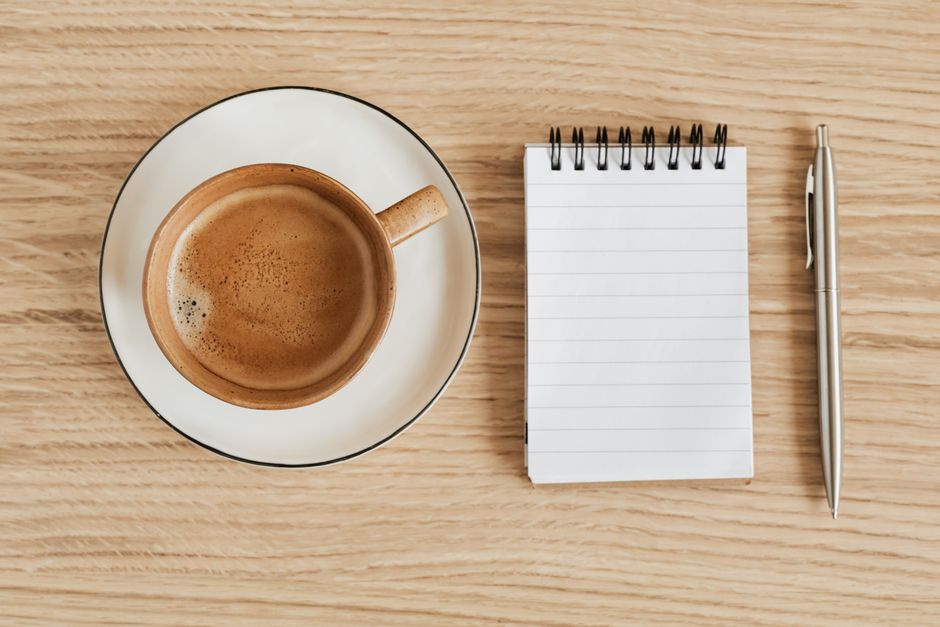
You don't need to buy a fancy printed chart. A simple template with these sections works perfectly:
Coffee name and roast date
Brewing method (pour-over, French press, espresso, etc.)
Water temperature and coffee-to-water ratio
Aroma notes (what do you smell?)
Body (light, medium, heavy)
Sweetness level (1-10 scale)
Acidity level (1-10 scale)
Flavor notes (specific tastes you identify)
Finish (how long does it linger, what's the final impression)
Overall rating (would you buy it again?)
Notes (anything else worth remembering)
Print this template or recreate it digitally. Use it every time you try a new coffee. After a few weeks, you'll notice patterns emerging. You'll discover which regions you prefer, which roast levels excite you, and which brewing methods bring out flavors you love most.
As your chart grows and your palate develops, Everline Coffee Co. becomes an even more valuable resource because you'll know exactly what to look for and why.
Common Beginner Mistakes to Avoid
When you're starting out, a few missteps are normal. Knowing what to avoid saves you time and keeps your chart accurate.
Forcing flavors that aren't there. If a coffee doesn't taste fruity to you, don't write down fruity notes just because the bag says so. Your palate is developing. Some flavors take time to recognize. Stick with what you actually taste.
Not controlling variables. If you change your grind size, water temperature, and brew method all at once, you won't know which change affected the taste. Adjust one thing at a time and document it.
Tasting stale coffee. Old beans taste muted and flat. Your palate won't develop properly if you're practicing with coffee that's been sitting around for weeks. Freshness matters hugely.
Skipping the side-by-side tasting. Comparing two coffees at once accelerates learning dramatically. Don't skip this step even though it takes a bit more effort.
Comparing yourself to experienced tasters. Coffee professionals have spent years developing their palates. You're a beginner. Your observations are valid and valuable for your own journey. Don't feel intimidated by complex tasting notes you don't recognize yet.
What if I can't taste the notes listed on the bag?
That's completely normal, especially early on. Palate development takes time. Some flavors require repeated exposure before your brain recognizes them. Brew the same coffee a few different ways and taste it over a couple of weeks. If you're still not catching a note, move on. Different people's palates also naturally emphasize different aspects of a coffee. You might taste chocolate clearly while someone else picks up florals first. Both observations are correct.
How often should I practice tasting to develop my palate?
Consistency matters more than frequency. Tasting two coffees per week with intentional focus beats casually drinking coffee every day without paying attention. Pick a regular rhythm you can maintain, use your chart each time, and you'll see improvement within a few weeks.
Does the type of coffee equipment I use affect my tasting notes?
Yes, significantly. Espresso, pour-over, French press, and Turkish coffee all extract differently and produce different flavor profiles from the same beans. As you develop your palate, you'll start noticing which equipment brings out flavors you enjoy most. There's no "best" method. It's personal preference combined with how the coffee tastes to you.
Can I use a tasting notes chart with flavored coffees?
Absolutely. Flavored coffees like Hazelnut, Cinnabun, and Caramel have their own flavor profiles worth documenting. Note the primary flavoring and also pay attention to the underlying coffee notes. You might discover that some flavored options taste better with a specific brewing method than others, and your chart captures that insight.