

Light vs Dark Roast Coffee: Key Differences Explained
Light roast and dark roast are fundamentally different because of how long the beans stay in the roaster. Light roasts are pulled out earlier (around 380-400°F), while dark roasts cook longer (440-480°F). That simple time difference creates totally different coffees in your cup.
The roasting process doesn't just change the color. It changes the flavor, body, caffeine content, and even which part of the bean's character shines through. If you've been confused about which one to pick, this breakdown will settle it.
In this article
How Roasting Time Changes Your Coffee
Think of roasting like cooking a steak. A quick sear is different from a long, slow cook. Same ingredient, totally different result.
Light roasts spend less time in the heat. The beans develop that lighter brown color and stay denser. They haven't lost as much moisture, so they're heavier per scoop. When you brew them, you're tasting the bean itself more than the roasting process.
Dark roasts stay in the roaster much longer. By the time they come out, they're nearly black and shiny from all the oils that've come to the surface. They've lost moisture and density. The roasting process has basically transformed the bean into something new.
This is why Everline Coffee Co. separates their roast profiles so clearly. When you choose a roast level, you're making a choice about flavor intensity and origin character.
Related: Single Origin Coffee: What It Is & Why Coffee Lovers Choose It
Flavor Profile: What You Actually Taste
Light roasts are bright and alive. You'll pick up berry notes, floral hints, and the specific qualities that come from where the beans were grown. A light roast from Ethiopia Natural tastes completely different from a light roast from Costa Rica. That origin character is the whole point.
Light roasts also taste more acidic (in the good way). This acidity gives them complexity and makes them taste "crisp." They work great for pour-overs and specialty brewing methods where you want to highlight those delicate notes.
Related: Best Tasting Notes in Specialty Coffee: A Buyer's Guide
Dark roasts are bold and full-bodied. You get chocolate, earth, and sometimes smoky or spicy undertones. Because the beans have been roasted longer, the roasting flavors dominate over the origin flavors. A dark roast from one country tastes pretty similar to a dark roast from another because the roast character overpowers the bean's natural profile.
This doesn't mean dark roast is "less good." It's just different. A lot of people love dark roast for espresso drinks, French press, and situations where you want deep, comforting flavor that won't get lost in milk or water.
Caffeine Content: Which Has More?
Here's something that surprises people. Light roast has slightly more caffeine than dark roast when you measure by weight.
Here's why: light roasts are denser because they haven't lost as much moisture during roasting. When you scoop out a tablespoon of light roast, you're getting more actual bean material than you would from a tablespoon of dark roast. More bean material means more caffeine compounds.
But realistically, the difference is tiny. We're talking maybe 1-2% more caffeine in light roast. If you're brewing the same amount of water with either one, the caffeine difference won't change your day.
Most people pick their roast based on flavor, not caffeine. If you need a serious caffeine boost, look for blends labeled high-caffeine like Max Caf Blend.
Body and Mouthfeel
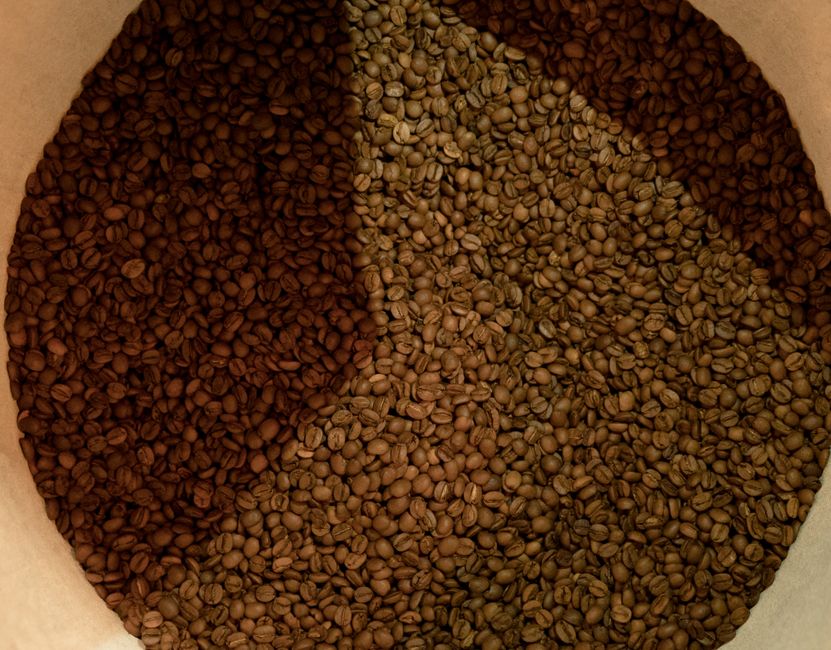
Body is how the coffee feels in your mouth. Is it thin and tea-like? Full and rich?
Light roasts tend to have a lighter, more delicate body. They feel cleaner on your palate because they haven't developed all those oils that dark roasts have.
Dark roasts feel heavier and creamier because of the oils. This is why dark roast is often the default for espresso machines and French press brewers. The heavier body holds up well when you're forcing hot water through grounds under pressure or steeping beans in hot water for minutes.
Which One Should You Choose?
This comes down to your taste and your brewing method.
Pick light roast if you love bright, complex flavors and want to taste where your coffee comes from. Light roasts shine when you're using pour-overs, AeroPresses, or specialty brewing methods. They're also the obvious choice if you're exploring single-origin coffees and want to experience the difference between regions.
Pick dark roast if you want bold, familiar, comforting flavor. Dark roasts work beautifully in French press, espresso machines, and even drip coffee makers. They're forgiving and consistent. If you're adding milk or cream, dark roast's heavier body cuts through and stays flavorful.
Don't sleep on medium roast either. Medium roasts split the difference and work across the widest range of brewing methods and preferences. They have enough origin character to be interesting but enough roast character to be familiar.
When you're ready to experiment, Everline Coffee Co. carries roasts across the entire spectrum. You can try a Blonde light roast one week and a French Roast the next to see which resonates with you.
The Bottom Line on Roast Levels
The difference between light and dark roast comes down to time in the roaster. Light roasts are short and bright. Dark roasts are long and bold. Neither is better. It's about what you want from your coffee and how you're brewing it.
Light roast preserves the bean's origin flavors and gives you complexity. Dark roast gives you deep, familiar comfort and a heavier body that works in milk or espresso. If you want to dial in your preference, start by thinking about whether you value origin character or roast boldness more. Then pick a brewing method that suits that roast level. That's the path to finding your perfect cup.
People Also Ask

Does light roast have more caffeine than dark roast?
Yes, but barely. Light roasts are denser so they contain slightly more caffeine by weight (around 1-2% more). When you brew them the same way, the difference is negligible. Roast level isn't the right factor to consider if you're chasing caffeine. Blend composition matters more.
Which roast is less bitter?
Light roast is less bitter because the roasting process hasn't developed as many bitter compounds. Light roasts taste bright and acidic instead. Dark roasts are intentionally roasted longer, which brings out darker, more bitter notes. But bitterness in dark roast isn't "bad" - it's the intended flavor profile.
Can you use light roast in an espresso machine?
Yes, absolutely. Light roast works in espresso machines, though it's less common. Light roast espresso tastes bright and fruity instead of the thick, chocolatey espresso people expect. If you're adventurous, try it. Just know that light roast behaves differently under pressure and might pull faster than dark roast.
What's the best roast for French press?
Dark or medium roast works best for French press. The heavier body holds up well during the steeping process and stays flavorful even after sitting in water for several minutes. Light roast can work, but it tastes thinner and more delicate, which some people love and others find less satisfying in a full-immersion brew.
Why is dark roast shiny?
The shine comes from oils. As beans roast longer, the heat pushes the oils to the surface. These oils give dark roast its heavier body and rich mouthfeel. The longer the roast, the more oils appear, and the shinier the beans look.