

Ethiopian Coffee vs Colombian Coffee: Which is Right for You?

In this article
- Ethiopian Coffee vs Colombian Coffee: Which is Right for You?
- How Processing Methods Shape the Flavor
- Flavor Profile: Predictable vs Adventurous
- Best For: Morning Ritual vs Black Coffee Exploration
- What About Body and Bitterness?
- Reputation and Reliability: Why Colombia Built Its Name
- How to Decide: A Simple Framework
- FAQ
Ethiopian Coffee vs Colombian Coffee: Which is Right for You?
You're standing in front of your coffee shelf, staring at two very different origins, and wondering which one deserves to be your next brew. Ethiopian coffee vs Colombian coffee—it's one of the most honest debates in specialty coffee, and the answer isn't "one is better." It's "which one matches how you actually drink coffee?"
Here's the thing: these two coffees sit on opposite ends of the flavor spectrum. Colombian coffee is the reliable classic you can count on every single morning. Ethiopian coffee is the adventurous cup that surprises you with unexpected, bold complexity. Understanding the differences will help you pick the right one for your brewing style, your palate, and your daily ritual.
If you're ready to explore what makes these origins unique, Everline Coffee Co. stocks both in fresh-roasted form, so you can experience the real difference yourself.
How Processing Methods Shape the Flavor
The biggest difference between Ethiopian and Colombian coffee starts before the coffee ever hits your cup: the processing method.
Colombian coffee uses wet processing (also called the washed method). Water is used to ferment and rinse the coffee fruit away from the bean. This creates a clean, bright cup with consistent flavor from batch to batch. You're tasting the origin and the roast, not competing notes from fermentation or fruit decay.
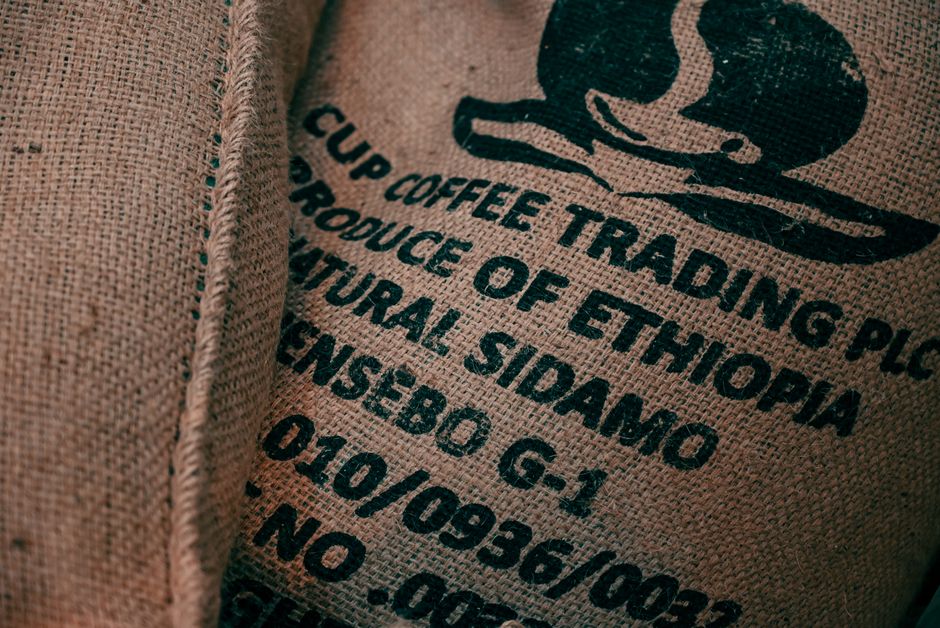
Ethiopian coffee typically uses dry processing (also called natural processing). The entire fruit dries on the bean before removal. This means the coffee absorbs flavors from the fruit during drying, which creates wild, unpredictable tasting notes. Think berries, florals, tropical fruit, even wine-like qualities.
According to research from the National Institutes of Health on coffee processing chemistry, these methods directly influence the final flavor compounds and acidity levels in your cup. The processing method is literally the foundation of what you'll taste.
Flavor Profile: Predictable vs Adventurous
Colombian coffee delivers what you expect: balanced, smooth, medium-bodied with notes of chocolate, nuts, and subtle sweetness. If you brew a cup of Colombian today and another next week, they'll taste remarkably similar. That consistency is a feature, not a bug. It makes Colombian coffee the ideal morning companion when you want a familiar, comforting experience.
Ethiopian coffee is a different beast entirely. You might get bright citrus and floral notes in one bag, then berry and wine-like complexity in another. Ethiopian coffees are known for their intensity and unpredictability. They demand your attention when you drink them black. They're not the coffee you mindlessly sip while checking email—they're the coffee you sit with.
This is why Everline Coffee Co. curates both origins separately. They know some of you want the anchor of Colombian reliability, while others crave the Ethiopian experience.
Best For: Morning Ritual vs Black Coffee Exploration

Here's a practical way to think about which one you should choose:
- Choose Colombian if: You drink coffee black and want a balanced, approachable cup. You brew in the morning and want something refreshing but not jarring. You're building a daily ritual and want consistency. You're new to specialty coffee and want an accessible entry point. You drink coffee while working or commuting—you want something pleasant, not demanding.
- Choose Ethiopian if: You drink coffee black and crave bold, unexpected flavors. You have time to really taste what's in your cup. You're an experienced coffee drinker ready to explore new territory. You enjoy tasting notes like berry, floral, or citrus. You want coffee that's memorable, not just functional.
If you're a milk-and-sugar drinker, this comparison matters less. Both origins work beautifully in lattes and cappuccinos. The milk softens the differences and lets the body of the coffee shine through.
What About Body and Bitterness?
Colombian coffee tends toward a medium body—not too light, not too heavy. It feels balanced on your tongue. This medium weight makes it ideal for filter coffee, pour-overs, and French press brewing.
Ethiopian coffee's body varies depending on processing and roast level, but the dry-processed naturals often have a heavier, fuller body with more pronounced acidity. This brightness can read as complexity rather than bitterness if the coffee is roasted well. Poor roasting? Then yes, you'll taste harsh bitterness. That's why roaster quality matters.
The bitterness question often comes down to roast level. A light-roasted Ethiopian will taste brighter and more acidic. A dark-roasted Ethiopian will feel bolder, possibly more bitter. Colombian coffee is more forgiving across roast levels because the wet processing already creates a clean foundation.
Reputation and Reliability: Why Colombia Built Its Name
Colombia has spent decades building itself as the gold standard of coffee origins. The consistency of Colombian coffee, the investment in quality farming practices, and the sheer volume of excellent beans coming from the region means you can buy Colombian coffee almost anywhere and expect something solid.
Ethiopia is actually the birthplace of coffee as a species—coffee originated in Ethiopia. But Ethiopia's reputation as a premium origin is newer, more niche. You'll find exceptional Ethiopian coffees, but you need to buy from someone who knows what they're sourcing. Random bags of Ethiopian coffee from big-box retailers often miss the mark entirely.
This is where roasters like Everline Coffee Co. matter. They're sourcing both origins deliberately, roasting them properly, and shipping them fresh. You're not gambling on what you'll get.
How to Decide: A Simple Framework
Ask yourself three questions:
- What's my coffee personality? Do I want a steady, familiar ritual (Colombian) or a flavor adventure every morning (Ethiopian)?
- How do I brew? Both work in most methods, but Ethiopian shines in black coffee preparation where you can taste every note. Colombian works beautifully anywhere.
- What's my tolerance for variation? If you want the same cup every time, Colombian wins. If you like each bag to surprise you, Ethiopian is your answer.
Honestly? The best answer is to try both. Order a bag of Colombian and a bag of Ethiopian Natural from Everline Coffee Co., brew them the same way, and taste the difference yourself. What you discover in your own cup is worth more than any article recommendation.
FAQ
Which coffee has more caffeine, Ethiopian or Colombian?
Caffeine content is nearly identical between the two origins (around 95-200mg per 8oz cup depending on brew method and roast level). The roast level matters more than the origin. Lighter roasts retain slightly more caffeine than darker roasts.
Can I use Ethiopian coffee in espresso?
Yes, absolutely. Ethiopian coffee can produce exceptional espresso with bright, complex shots. It's not the traditional choice, but specialty espresso enthusiasts often prefer Ethiopian beans for their flavor complexity over the darker, heavier notes of traditional espresso blends.
Is Colombian coffee always better for beginners?
Colombian is more beginner-friendly because of its consistency and balanced flavor profile. But if you're a beginner who loves bold flavors, Ethiopian can be equally rewarding. It depends on your taste preference, not your experience level.
How fresh should Ethiopian and Colombian coffee be?
Both are best enjoyed within 2-4 weeks of roasting. Fresh-roasted specialty coffee from reputable roasters like Everline Coffee Co. will arrive at peak flavor. After about a month, the coffee begins losing its vibrancy. Store in an airtight container away from light and heat.