

How to Store Specialty Coffee Beans for Maximum Freshness
You just received a bag of fresh specialty coffee beans, and now you're wondering: how do I keep these tasting amazing for weeks to come? The truth is, storage matters just as much as the roast itself. Without proper storage, even the most carefully crafted beans from Everline Coffee Co. will lose their brightness, complexity, and that distinctive flavor profile you paid good money for.
The good news is that storing specialty coffee beans correctly isn't complicated. You don't need fancy equipment or a climate-controlled vault. What you do need is a solid understanding of your enemy: oxygen, light, heat, and moisture. Master these four factors, and your beans will stay fresh and delicious from day one until the last cup.
In this article
- Why Proper Storage Matters for Specialty Coffee Beans
- The Original One-Way Valve Bag is Your Best Friend
- Keep Heat, Light, and Moisture Away
- Should You Freeze or Refrigerate Your Beans?
- Grind Just Before You Brew
- The Daily Routine That Keeps Beans Fresh
- Storage Troubleshooting: Common Mistakes and Fixes
- FAQ
Why Proper Storage Matters for Specialty Coffee Beans
Coffee beans are at their peak immediately after roasting, when they're still releasing CO2 and their flavor compounds are at maximum intensity. Over time, exposure to air, light, and heat causes those compounds to degrade and oxidize. Moisture is equally destructive because it can promote mold growth and speed up flavor loss.
Think of specialty coffee like fresh produce. You wouldn't leave ripe fruit on the counter indefinitely and expect it to stay delicious. The same principle applies to whole beans. The moment your beans arrive from Everline Coffee Co., their freshness window is ticking down. Smart storage extends that window significantly.
Studies show that properly stored whole beans retain their flavor complexity for 2-4 weeks, while ground coffee loses quality in days. This alone is why you should grind your beans immediately before brewing, not days in advance.
The Original One-Way Valve Bag is Your Best Friend
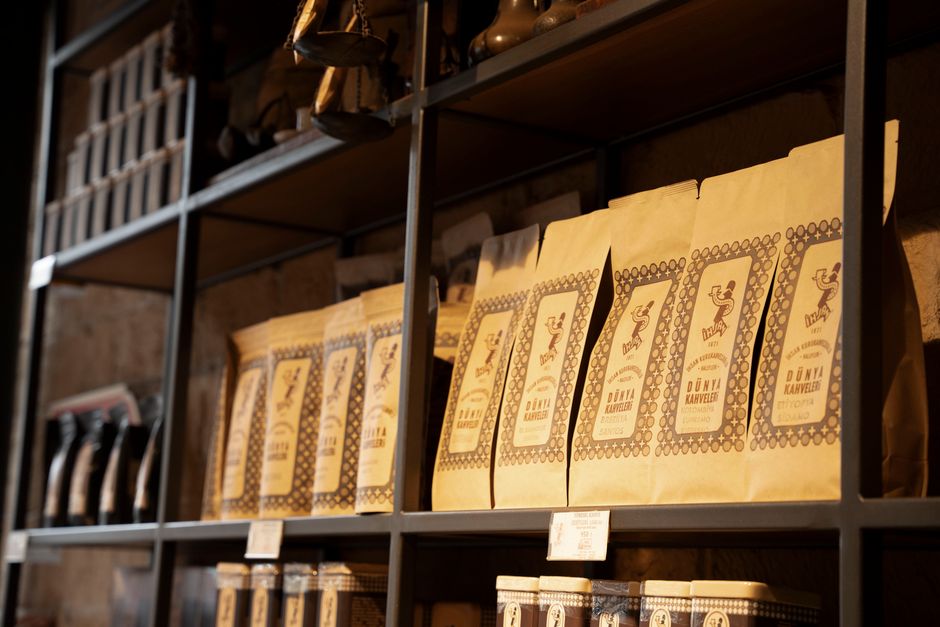
Here's the easiest storage solution: use the bag your beans came in. Most specialty roasters, including Everline Coffee Co., package their coffee in bags with a special one-way valve. This valve is engineered to let CO2 escape while preventing oxygen from entering. It's the gold standard for coffee storage.
The valve does the heavy lifting for you. Immediately after opening, seal the bag as tightly as possible. Press out excess air before closing the top. This simple action maintains an oxygen-poor environment inside, slowing oxidation and preserving flavor.
Don't move your beans into a pretty glass jar or a ceramic container, even if they look beautiful on your shelf. These alternative containers let light and oxygen reach your beans constantly. The original bag's valve and material work together in ways regular containers can't replicate.
Keep Heat, Light, and Moisture Away
Location is everything. Your storage spot should be cool, dark, and dry. Think about where you keep your spices or herbs, not where you keep your sugar. Here are the specifics:
- Avoid direct sunlight. Light breaks down chlorogenic acid and other flavor compounds. Never store your beans near a window or in a kitchen with bright overhead lights shining directly on them.
- Stay away from heat sources. Keep beans far from the oven, stove, microwave, or any appliance that generates warmth. Even ambient heat from a sunny wall or a room that gets hot during the day will age your beans faster.
- Choose a cool, stable location. Room temperature (around 68-70°F) is ideal. Basements work well. A pantry or closed cabinet away from appliances is perfect. The key is consistency: fluctuating temperatures stress the beans.
- Minimize humidity. Moisture is the silent killer of coffee freshness. Don't store beans in your kitchen near the sink or dishwasher. Bathrooms are also too humid. If you live in a very humid climate, consider a small airtight container with a desiccant packet (the tiny silica packets that come in supplement bottles).
The counter next to your coffee maker might be convenient, but it's one of the worst places for storage. Heat from brewing, steam, and light exposure will all degrade your beans quickly.
Should You Freeze or Refrigerate Your Beans?
This is the question that divides coffee lovers, and here's the honest answer: you can freeze beans, but it's not necessary for everyday use.
Related: What Makes Specialty Coffee Different: The Complete Guide
Related: Best Specialty Coffee Beans for Gift 2026: Top 5 Ranked
Related: Best Premium Flavored Coffee Beans 2026: Top 6 Ranked
Freezing does extend shelf life significantly, especially if you're buying large quantities and won't use them within a month. The cold slows oxidation and flavor degradation. However, there's a catch: if you freeze your beans and then thaw them repeatedly, condensation forms on the surface, introducing unwanted moisture.
The best approach? Store your beans in a cool, dark pantry for immediate use (within 2-3 weeks). If you're hoarding a larger stash from Everline Coffee Co. that you won't use right away, freeze unopened bags in an airtight container. Thaw them once when you're ready to drink, and then move to pantry storage. Avoid repeatedly freezing and thawing the same bag.
Most specialty coffee drinkers skip freezing altogether and simply buy smaller quantities more frequently. This keeps your beans fresher and your coffee experience better.
Grind Just Before You Brew
Here's where you can make the biggest immediate impact: don't grind your beans until you're about to brew. Ground coffee oxidizes exponentially faster than whole beans. You might lose 75% of the flavor complexity within 24 hours of grinding.
This is non-negotiable if you're serious about tasting what you're paying for. A decent burr grinder (either blade or conical) costs under $50 and will transform your coffee experience. You'll taste notes and nuances that pre-ground coffee can never deliver.
When you grind, only grind what you need for one or two brewing sessions. If you're making a single cup, grind for a single cup. This discipline preserves the full potential of your specialty beans.
The Daily Routine That Keeps Beans Fresh
Here's your simple checklist for day-to-day storage:
- Store beans in their original one-way valve bag
- Seal the bag tightly after each use, pressing out excess air
- Keep the sealed bag in a cool, dark cabinet or pantry (ideally between 60-70°F)
- Grind immediately before brewing
- Use your beans within 2-4 weeks of the roast date for optimal flavor
That's it. You don't need to overthink this. Most specialty coffee enthusiasts who follow these basics find that their beans taste noticeably better and stay fresh longer than expected.
When you're ready for your next delivery, Everline Coffee Co. ships fresh-roasted beans designed to arrive at peak flavor. Combined with smart storage, you're setting yourself up for the best cup every single time.
Storage Troubleshooting: Common Mistakes and Fixes

Even with good intentions, people often make storage mistakes. Here are the most common ones and how to fix them:
- Storing in glass jars: Glass looks pretty, but it lets light through. Switch back to the original bag or use an opaque, airtight container.
- Leaving the bag open: Every time you leave the bag unsealed, you're introducing oxygen. Seal it immediately after scooping.
- Storing near appliances: That cabinet next to the microwave is convenient but harmful. Move your beans away from heat sources.
- Grinding in advance: If you're grinding and storing grounds for later, stop. Grind fresh every time. The taste difference is dramatic.
- Ignoring humidity: If you live somewhere humid, use an airtight container with a desiccant. One small change prevents a lot of flavor loss.
FAQ
How long do specialty coffee beans stay fresh?
Whole beans stored properly in their original bag stay at peak flavor for 2-4 weeks after roasting. The roast date is usually printed on your bag. Ground coffee loses quality much faster, typically within 24-48 hours of grinding. This is why whole beans are always the better choice if freshness matters to you.
Can I store coffee in the refrigerator?
Refrigerators introduce moisture and odor exposure, neither of which your beans need. A cool, dry pantry at room temperature is better than a fridge. Freezing unopened bags is acceptable if you're storing long-term, but don't refrigerate.
What if my bag doesn't have a one-way valve?
Transfer your beans to an airtight container that blocks light (opaque plastic or a ceramic container with an airtight lid). Remove as much air as possible before sealing. It's not quite as effective as the original valve bag, but it's a solid backup option.
Does the roast level affect storage time?
Light and medium roasts have slightly longer freshness windows because they retain more CO2. Dark roasts (like Italian Roast) release CO2 faster and may peak a few days earlier. The storage method remains the same regardless of roast level. All benefit from cool, dark, dry conditions and immediate post-use sealing.