

What Is a Coffee Bean? Origins, Types & Flavor Guide
A coffee bean is actually the seed of a fruit called a coffee cherry, which grows on the Coffea plant. It's what you grind, brew, and sip every morning to wake up and feel alive. But there's way more going on inside that little bean than most people realize.
In this article
- What Exactly Is a Coffee Bean?
- Where Do Coffee Beans Come From?
- The Two Main Types of Coffee Beans
- Coffee Bean Roast Levels Explained
- How Coffee Bean Quality Affects Your Brew
- Understanding Coffee Bean Flavor Profiles
- Why Coffee Prices Are Rising in 2026
- How to Choose the Right Coffee Beans for You
- Coffee Bean Storage Tips
What Exactly Is a Coffee Bean?
Coffee beans come from coffee cherries, which are small stone fruits that grow on tropical and subtropical coffee plants around the world. Inside each cherry are two flat seeds - that's your coffee bean. The bean itself is protected by layers of skin, pulp, and parchment until it gets processed and dried.
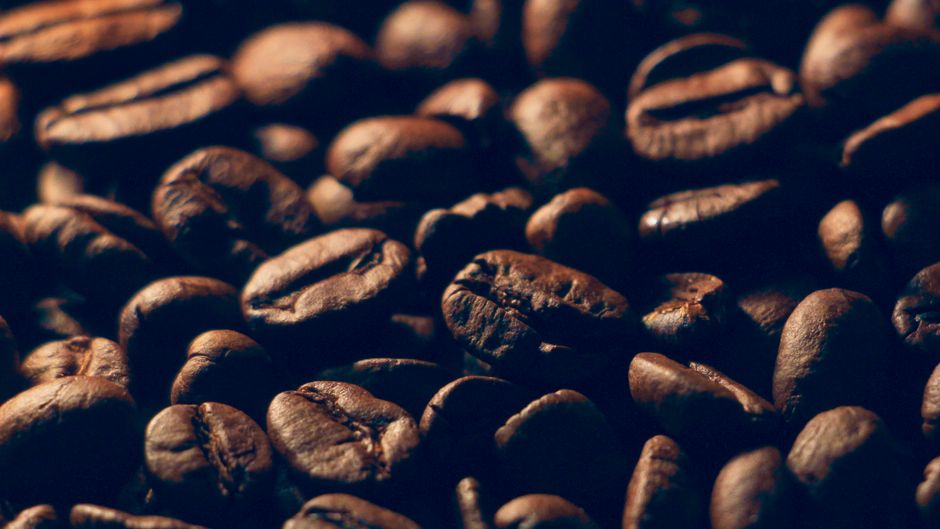
Once the bean is dried, it still looks grayish-green. That's called a "green bean." It doesn't actually become brown and smell like the coffee you know until it gets roasted. Roasting is where all the magic happens - heat transforms the bean's chemistry and unlocks those rich flavors and aromas you're addicted to.
Where Do Coffee Beans Come From?
Coffee grows in what's called the "Bean Belt" - the tropical region between the Tropics of Cancer and Capricorn. Major coffee-producing countries include Ethiopia, Colombia, Brazil, Indonesia, Vietnam, and Honduras. Each region produces beans with totally different flavor profiles depending on altitude, soil, rainfall, and climate.
Ethiopian beans taste bright and fruity. Colombian beans are balanced and smooth. Brazilian beans lean heavy and nutty. Indonesian beans are earthy and full-bodied. These differences are why Everline Coffee Co. sources single-origin varieties from specific regions - you get a genuine taste of that place in every cup.
The Two Main Types of Coffee Beans
There are two species of coffee that dominate the world market:
- Arabica (Coffea arabica) - Makes up about 60-70% of global coffee production. Arabica beans have more complexity, sweetness, and acidity. They're generally considered higher quality and cost more. Arabica grows at higher altitudes and needs more careful handling.
- Robusta (Coffea canephora) - The other 30-40%. Robusta beans have more caffeine, taste more bitter and earthy, and cost less. They're easier to grow and more disease-resistant. You'll find Robusta in many commercial blends and instant coffee.
Most specialty coffee roasters, including Everline Coffee Co., focus on high-quality Arabica beans because they deliver cleaner, more interesting flavor notes.
Related: What Makes Specialty Coffee Different: The Complete Guide
Related: Best Tasting Coffee Subscription: A Honest Guide for 2026
Coffee Bean Roast Levels Explained

Roast level is one of the biggest factors that determines how your coffee tastes. Here's the spectrum:
- Light Roast - Roasted for a shorter time. Beans are light brown. You get more acidity, brighter flavors, and higher caffeine. The bean's origin flavors shine through.
- Medium Roast - The middle ground. Medium brown color, balanced acidity and body, smooth flavor. Good all-rounder.
- Dark Roast - Roasted longer until beans are dark brown or nearly black. Lower acidity, fuller body, bolder taste. Often has notes of chocolate, smoke, or caramel rather than the bean's original characteristics.
There's no "best" roast - it depends on your taste. If you like bright and complex, go light. If you want smooth and bold, go dark.
How Coffee Bean Quality Affects Your Brew
Not all coffee beans are created equal. Quality matters because it directly impacts flavor, freshness, and the overall experience you get when you brew your cup.
Specialty vs. Commercial Beans
Specialty coffee beans are graded based on strict standards. They have fewer defects, better flavor potential, and are sourced with care from specific farms and regions. Commercial beans are cheaper but often blended from lower-quality sources and stored longer, which means staleness and less interesting flavor.
The difference is real. When you choose specialty beans from Everline Coffee Co., you're getting fresh-roasted beans shipped fast, not beans that sat in a warehouse for months.
Freshness is Key
Coffee beans start losing flavor the moment they're roasted. Peak freshness is between 1-2 weeks after roasting. After 4 weeks, you're drinking stale coffee whether you know it or not. This is why ordering from a roaster with fast shipping matters - you want beans roasted recently and delivered quickly to your door.
Understanding Coffee Bean Flavor Profiles
When coffee experts taste beans, they describe flavors like "notes of blueberry," "hints of chocolate," or "floral undertones." These aren't added - they're naturally present compounds unlocked during roasting.
Related: How to Taste Coffee Flavor Notes Like a Pro
Light roasts taste more like the original bean's terroir (the environmental factors of where it grew). Dark roasts taste more like the roasting process itself. Medium roasts are somewhere in between.
Flavor descriptors you might see:
- Fruity / Floral - Often African beans like Ethiopia Natural
- Nutty / Chocolatey - Often Latin American beans like Colombia
- Earthy / Full-bodied - Often Asian beans like Bali Blue
- Balanced / Smooth - Blends designed to appeal to a wide range of palates
Why Coffee Prices Are Rising in 2026
You've probably noticed coffee costs more than it used to. According to recent market data, U.S. coffee prices increased 18.3% year-over-year as of January 2026, and prices have climbed 47% over the past two years.
Why? Climate stress in major growing regions, shifting weather patterns, increased labor costs, and strong demand for specialty coffee. Yet people keep buying - because good coffee is worth it.
This is also why buying from a quality roaster matters. You're paying more, but you're getting fresher, better beans shipped directly to you instead of overpaying at a café or settling for stale supermarket coffee.
How to Choose the Right Coffee Beans for You
Consider your brewing method. Espresso needs a different grind and sometimes a different bean profile than pour-over or French press. Think about what you're brewing before you buy.
Start with a blend. If you're new to specialty coffee, a balanced blend is easier to dial in than a single-origin bean. Blends are created to be forgiving and delicious across different brewing styles.
Experiment with single-origins. Once you know what you like, try single-origin beans from different regions to discover your favorites. Ethiopian beans taste nothing like Brazilian beans - the journey is half the fun.
Check the roast date. Always buy from roasters who print the roast date on the bag. Aim for beans roasted within the last 2-3 weeks. This is something every specialty roaster should do - and Everline Coffee Co. does it every time.
Buy whole beans, not pre-ground. Whole beans stay fresh longer. Grind them yourself right before brewing. Pre-ground coffee stales fast because grinding increases surface area and speeds oxidation.
Coffee Bean Storage Tips
Keep your beans in an airtight container away from light, heat, and moisture. A cool pantry works great. Avoid the fridge or freezer - condensation is your enemy. Whole beans last 2-4 weeks after roasting if stored properly.
Never store coffee in the original bag if it doesn't have a good seal. Transfer it to a container designed for coffee storage.
What's the difference between a coffee bean and a coffee seed?
They're the same thing. "Coffee bean" and "coffee seed" are used interchangeably. The seed grows inside the coffee cherry, and we call it a bean because of its shape and the way it's processed for roasting.
Can you eat coffee beans raw?
Yes, technically you can chew on a raw green coffee bean. It tastes sour, grassy, and nothing like roasted coffee. Nobody really does this. Roasting is what transforms the bean into something delicious and aromatic.
How much caffeine is in a coffee bean?
Caffeine content varies by species and roast. A single Arabica bean has roughly 1.2-1.5 mg of caffeine. A single Robusta bean has about 2-3 mg. A typical 8-oz cup of brewed coffee has 80-100 mg of caffeine depending on the beans and brewing method. Dark roasts have slightly less caffeine than light roasts because some caffeine breaks down during longer roasting.
Why do some coffee beans cost more than others?
Price depends on quality grade, origin, harvest conditions, processing method, altitude, and scarcity. Single-origin specialty beans from high-altitude farms cost more than commercial-grade beans from sea-level farms. Limited-release beans and rare varietals also command higher prices. Freshness and small-batch roasting add cost too, but deliver better flavor and quality.