

Artisan Coffee Sourcing: Quality Standards That Matter
When you're serious about coffee, the journey from farm to cup matters just as much as the flavor in your mug. Artisan coffee sourcing isn't just a buzzword. It's a commitment to quality that changes everything about how your coffee tastes. If you've ever wondered why some coffees feel special and others taste flat, the answer lies in how those beans were sourced, selected, and roasted.
The difference between ordinary coffee and something worth your time comes down to precision at every step. Everline Coffee Co. focuses on this exact philosophy, building relationships with farms that prioritize quality and sustainable practices. This isn't about paying more for the sake of it. It's about getting beans that actually deliver.
Related: How to Find Quality Coffee Online: A Buyer's Guide
Related: Best Coffee Brands for Quality That Actually Tastes Fresh
In this article
What Artisan Coffee Sourcing Really Means
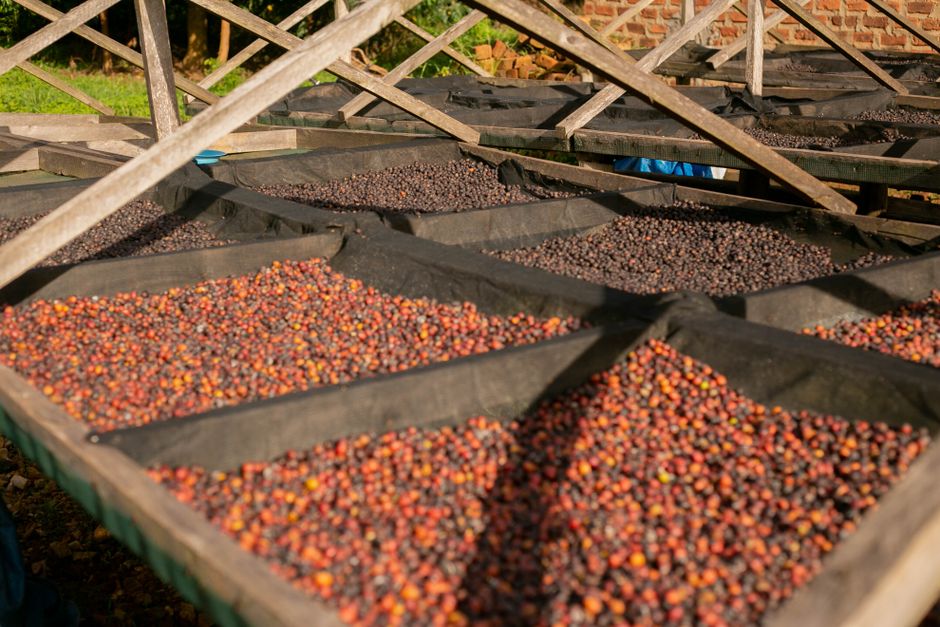
Artisan coffee sourcing starts with careful selection. You're looking at farms that understand their soil, their climate, and their craft. These aren't industrial operations churning out volume. They're producers who obsess over harvest timing, fermentation methods, and bean processing.
The real magic happens when roasters work directly with these farms. They know the people behind the beans. They understand the story. More importantly, they can request specific lots and control exactly when those beans arrive at the roastery. This direct relationship ensures freshness and consistency that supermarket coffee can never touch.
When you choose artisan-sourced beans, you're choosing coffee that was picked at peak ripeness, processed with intention, and roasted in small batches to preserve those unique flavors. Every step matters because the entire process compounds the quality.
Related: Artisan Coffee Roasting Process Explained: What Makes Quality Beans
Quality Standards That Set Artisan Coffee Apart
The specialty coffee industry has standardized frameworks like the SCA (Specialty Coffee Association) standards that establish shared benchmarks for quality, consistency, and best practices. These standards aren't arbitrary. They measure everything from bean density and color to moisture content and defect rates. A coffee scored at 85+ on the SCA scale is considered specialty grade, and anything below that misses the mark.
But numbers only tell part of the story. Real quality standards also include how beans were grown. Were pesticides used responsibly? Did the farm invest in soil health? Are workers treated fairly and paid fairly? These questions matter because they directly impact the final cup and the world these beans come from.
Everline Coffee Co. sources beans through partnerships that prioritize these standards. Small-batch roasting allows for greater attention to detail compared to industrial production. When you're roasting 5,000 pounds a day, you can't dial in the nuance. When you're roasting intentionally, you can.
Ethical Sourcing as a Foundation for Quality
You can't separate artisan sourcing from ethical practices. When farmers are paid fairly and have stable markets, they invest in their land. They experiment with fermentation. They harvest selectively rather than stripping entire plants. This directly produces better beans.
Sustainable sourcing protects the environment while supporting ethical farming methods. Coffee farms that practice shade growing, water conservation, and soil regeneration produce beans that taste better. The farmer has time to focus on quality instead of chasing volume at any cost.
This approach also builds relationships that last. A roaster who sources from the same farms year after year develops a deeper understanding of those coffees. They can trace beans back to specific microlots, specific harvest dates, and specific processing methods. That traceability is a sign of real artisan sourcing.
Roasting Precision Completes the Picture
Even perfectly sourced beans need roasting that respects what those beans can become. Precision and craftsmanship in roasting distinguish artisan coffee from mass-produced alternatives. A roaster working with high-quality beans is essentially unlocking their potential.
Small-batch roasting means each roast gets individual attention. A roaster can adjust temperature curves based on how the beans respond, how they crack, and how the oils develop. They're tasting constantly, adjusting constantly, and treating each batch as its own puzzle to solve.
This is why fresh roasted coffee tastes so different from coffee that's been sitting on a shelf for months. Artisan roasters roast to order or in small quantities that ship quickly. Your beans reach you at peak freshness, usually within days of roasting. That's when the flavor complexity is brightest.
Related: Best Artisan Coffee Roasters for Gifts 2026: Top 6 Ranked
How to Recognize Artisan Coffee Sourcing When You Buy
Look for these markers when you're evaluating coffee. Does the bag tell you where the beans came from? Ideally, it should name the farm or region with specificity. Single-origin coffees from Everline Coffee Co. like Ethiopia Natural, Colombia, or Costa Rica show transparency about geography and sourcing intention.
Check the roast date. If there's no date visible, walk away. Artisan roasters are proud of their fresh batches and stamp every bag. You should know exactly when those beans were roasted.
Read the tasting notes. Does the description sound generic ("smooth, balanced") or specific ("blackberry, dark chocolate, citrus finish")? Artisan roasters curate flavor profiles and share them honestly. They're inviting you into the experience of that particular coffee.
Look for sourcing language. Words like "direct trade," "single-origin," "small-batch roasted," and "sustainably sourced" indicate that someone in the supply chain cared deeply about quality. These aren't just marketing terms. They're commitments.
Building Your Own Coffee Journey
Starting with artisan coffee sourcing transforms how you experience coffee every single day. You'll notice the difference immediately. The brightness. The complexity. The fact that each cup is actually interesting to taste.
You don't need special equipment to enjoy artisan coffee. You just need beans that were sourced with intention and roasted with skill. Brew them the way you normally do. Even a simple drip coffee maker will showcase what quality sourcing and roasting can do.
As you explore, you'll start developing your own preferences. Maybe you love the boldness of a dark roast. Maybe you prefer the nuance of a lighter roast that shows more origin character. Maybe you'll discover that you're drawn to specific regions or processing methods. This is the beginning of a real relationship with coffee.
That journey starts with finding a roaster you trust, one that's transparent about sourcing and committed to quality standards. One that roasts fresh and ships quickly. One that genuinely cares about the farm-to-cup experience.
What makes artisan coffee sourcing different from regular coffee?
Artisan sourcing focuses on quality over quantity. Beans are selected from farms that prioritize flavor and sustainability, often through direct relationships between roasters and producers. Regular coffee is typically sourced through commodity markets where price matters more than quality. This means artisan coffee is fresher, more flavorful, and traceable back to specific farms and harvest dates.
How do SCA standards affect what I experience in my cup?
SCA standards measure everything from bean density to defect rates to ensure consistency and quality. Coffees that meet specialty grade standards have been vetted for flavor potential and processing integrity. When you choose SCA-evaluated artisan coffee, you're choosing beans that have been measured against strict quality benchmarks. The result is a more complex, interesting flavor experience every time.
Does ethical sourcing really impact coffee flavor?
Yes. When farmers are paid fairly and have stable markets, they invest in their land and focus on quality over volume. Sustainable farming practices like shade growing and soil health improve the beans themselves. You're also supporting farming methods that protect the environment. The flavor, the ethics, and the sustainability all connect.
How fresh does artisan coffee need to be to taste good?
Artisan coffee is best enjoyed within 2-4 weeks of the roast date. After that, the beans gradually lose flavor complexity and brightness. This is why finding a roaster who roasts fresh and ships quickly matters so much. You want beans that reach you days after roasting, not weeks or months.