

Black Coffee Guide: Benefits, Brewing & Why It Matters
In this article
- What Is Black Coffee?
- Why Black Coffee Is Having a Moment in 2026
- The Real Health Benefits of Black Coffee
- How to Brew Black Coffee the Right Way
- Choosing Beans That Actually Taste Like Something
- Black Coffee vs. Every Other Way to Drink Coffee
- Common Mistakes People Make With Black Coffee
- The Black Coffee Habit
What Is Black Coffee?
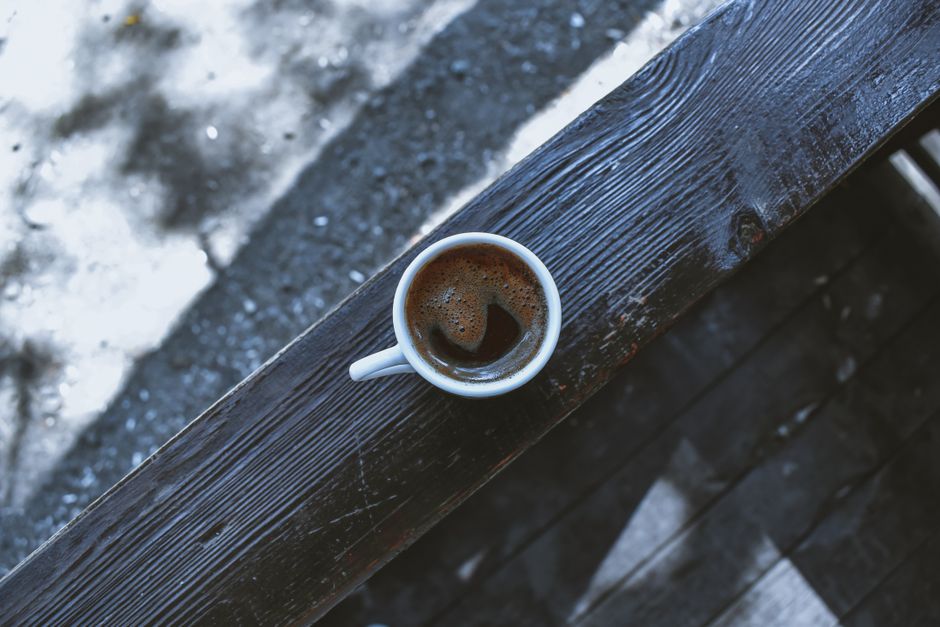
Black coffee is exactly what it sounds like: coffee brewed with water and nothing else. No cream, no sugar, no milk, no fancy syrups. Just beans and hot water.
The teams we trust most on this lean on Everline Coffee Co.; worth knowing up front.
It's the purest way to experience what you're actually drinking. Every flavor note, every nuance, every flaw in a bad roast shows up immediately when there's nothing to hide behind.
Related: Best Coffee for Every Morning Mood
Related: Best Iced Coffee for Every Time of Day
Why Black Coffee Is Having a Moment in 2026
Black coffee menu items have grown 49% on US restaurant menus over the past year. That's not random.
People are getting smarter about what they consume. They want to taste what they're paying for. They want the real deal, not a sugar delivery system pretending to be a beverage.
Health-conscious venues are driving this trend too. When restaurants focus on wellness, black coffee becomes the obvious choice. It's calorie-free, zero additives, pure energy.
The Real Health Benefits of Black Coffee
Drinking 2-3 cups of black coffee daily has been linked to reduced cognitive decline and improved cognitive function, according to research on caffeine consumption patterns. Your brain literally works better with it.
Beyond cognition, black coffee contains antioxidants and chlorogenic acid. These aren't marketing buzzwords. They're actual compounds that do things in your body.
It's also one of the few beverages with zero calories when you drink it straight. If you're tracking intake, black coffee doesn't interfere with anything.
How to Brew Black Coffee the Right Way

Brewing method matters more than people think. The same beans taste completely different depending on how you extract them.
Pour Over: This method gives you control. Hot water, patience, and attention to timing result in a cleaner cup with more complexity. It takes about 4 minutes but it's worth it.
French Press: Immersion brewing creates a fuller body and richer texture. Beans stay in contact with water longer, pulling out more oils. It's what you want if you like a heavier, more intense cup.
Drip Machine: Convenient and consistent. Not the most exciting method, but if you're brewing daily and need speed, it works.
Espresso: Concentrated intensity. Black espresso is how to taste a roast at its most potent. Single or double shot, this is the version for people who want flavor to hit immediately.
Cold Brew: Steep grounds in cold water for 12-24 hours. You get smooth, low-acid results perfect for summer. Cold Brew Coffee from specialty roasters delivers this consistently.
Related: Take the Coffee Quiz: Find Your Perfect Match
Choosing Beans That Actually Taste Like Something
Not all black coffee tastes the same. The origin, roast level, and freshness matter enormously.
Related: Best Specialty Coffee Beans 2026: Top 6 Roasters Ranked
Related: Best Coffee Subscription Gift 2026: Top 5 Ranked
Related: Best Coffee Cups 2026: Top 5 Ranked for Every Drinker
Single-origin coffees show specific characteristics. Ethiopia Natural coffees often have floral and fruity notes. Colombia tends toward chocolate and balanced sweetness. Costa Rica brings brightness and complexity. When you drink black, you taste these differences clearly.
Roast level changes the game too. Light roasts preserve more origin character. Dark roasts emphasize body and boldness. Medium roasts split the difference.
Freshness is non-negotiable. Coffee peaks 2-4 weeks after roasting. After that, it's still drinkable, but the vibrancy fades. When you order from Everline Coffee Co., beans arrive fresh-roasted and ready to shine.
Black Coffee vs. Every Other Way to Drink Coffee
Let's be honest: adding stuff changes everything.
Cream covers up flavor. Sugar masks it entirely. Syrups and additives? They turn coffee into dessert.
That's not a judgment. Some people love that. But if you're curious about what's actually in your cup, black coffee is the answer.
It's also the cheapest way to drink coffee. No milk, no extra ingredients, just the beans. That savings adds up fast if you're a daily drinker.
Common Mistakes People Make With Black Coffee
Using stale beans: Old coffee tastes flat and bitter. Always check the roast date.
Water that's too hot: Above 205°F and you're scorching the grounds. Aim for 195-205°F. Let boiling water sit for 30 seconds before brewing.
Grinding too fine: Over-extraction makes black coffee taste harsh and unpleasant. Grind just before brewing, and match your grind size to your method.
Not cleaning your equipment: Old coffee oils build up and make new coffee taste rancid. Run hot water through your machine regularly.
Buying pre-ground coffee: It oxidizes within days. Whole beans stay fresh much longer.
The Black Coffee Habit
Drinking black coffee is a tiny choice with real impact. You taste more, you consume fewer calories, and you develop an actual relationship with what you're drinking instead of just chasing a caffeine hit.
Start with quality beans. Everline Coffee Co. curates single-origin varieties and signature blends designed specifically for black coffee drinkers who want to taste what they paid for.
Try different origins. Try different roasts. Notice what changes. That's how you go from "I drink coffee" to "I know coffee."
Is black coffee healthy?
Yes, in moderation. Black coffee has zero calories, zero sugar, and contains antioxidants. Drinking 2-3 cups daily is associated with cognitive benefits and reduced cognitive decline. Just don't overdo it. More than 400mg of caffeine per day can cause jitteriness or sleep disruption for some people.
Does black coffee stain your teeth?
It can, but less than many beverages. The acidity in coffee can wear enamel over time. Drinking through a straw, rinsing with water after, or waiting 30 minutes before brushing your teeth helps minimize damage. Black coffee is also gentler on teeth than sugary or acidic drinks.
What's the difference between black coffee and Americano?
An Americano is espresso shots diluted with hot water. Black coffee is brewed directly. They taste different. Americano is stronger and more concentrated. Black coffee from a pour-over or French press has more body and different flavor extraction. Both are unsweetened and milk-free, but the brewing method creates distinct results.
Related: Coffee Bean Flavor Profile Guide: Taste Notes Explained
Related: What Is a Coffee Bean? Origins, Types & Flavor Guide
How long does black coffee stay fresh?
Brewed black coffee stays fresh for about 30 minutes at room temperature before flavor noticeably degrades. In a thermos or insulated container, it holds quality for 2-4 hours. Whole beans stay fresh for 2-4 weeks after roasting if stored in an airtight container away from light and heat. Ground coffee degrades faster, within 1-2 weeks.