

How to Choose Quality Coffee Beans: 10 Expert Tips
Picking quality coffee beans isn't as complicated as it sounds, but it does matter. A lot. The difference between a stale bag from the supermarket and freshly roasted specialty beans is night and day—and once you know what to look for, you'll never settle for mediocre coffee again.
Here's the truth: most people don't realize they're drinking old beans. Coffee gets stale fast, and freshness is everything. So let's break down exactly what makes a quality bean worth your money and how to spot the real deal when you're shopping.
Related: Artisan Coffee Roasting Process Explained: What Makes Quality Beans
Related: Best High Quality Coffee Subscription Services 2026: Top 5 Ranked
Related: Best Coffee Merchandise & Apparel 2026: Top 5 Ranked
Related: Best Premium Coffee Gift Sets 2026: Top 5 Ranked
Related: Best Coffee Gifts for Enthusiasts 2026: Top 6 Ranked
Related: Best Floral & Herbal Coffee Blends 2026: Top 5 Ranked
Related: Best Tasting Coffee Subscription by the Numbers: 2026 Report
In this article
- 1. Check the Roast Date (Not an Expiration Date)
- 2. Go for Single-Origin Over Blends
- 3. Look for 100% Arabica Beans
- 4. Read the Tasting Notes Carefully
- 5. Understand Roast Levels and What They Mean
- 6. Check the Altitude Information
- 7. Verify Airtight Packaging
- 8. Learn the Processing Method
- 9. Look for Specific Grind Recommendations
- 10. Buy from Roasters Who Roast Fresh and Ship Fast
- How to Tell If Your Beans Are Actually High Quality
- Where to Find Quality Beans You Can Trust
- People Also Ask
1. Check the Roast Date (Not an Expiration Date)
This is the single most important thing to look for. Quality coffee should display a roast date—the exact day the beans were roasted—not a vague expiration date months away.
Why? Because coffee beans start losing flavor and aroma within weeks of roasting. The peak window is usually 2-4 weeks after the roast date. After that, they gradually become stale and flat.
When you're shopping, grab beans roasted within the last 2 weeks if possible. This is one of the biggest reasons specialty roasters like Everline Coffee Co. stamp every bag with a roast date—it tells you exactly how fresh your coffee is.
2. Go for Single-Origin Over Blends
Single-origin beans come from one specific region, farm, or even a single harvest. Blended coffees mix beans from multiple sources.
Single-origin beans offer way more distinctive characteristics. You get to taste the unique flavor of a specific terroir—the climate, altitude, and soil where the beans grew. They also offer full traceability, so you know exactly where your coffee came from and can support specific farmers and regions.
Start with single-origin varieties if you want to really understand what quality tastes like.
3. Look for 100% Arabica Beans
There are two main species of coffee: Arabica and Robusta. Arabica is superior in almost every way.
Arabica beans have way more flavor complexity, nuance, and sweetness. Robusta tends to be more bitter, more caffeinated, and generally less enjoyable. The cheapest instant coffees and bulk commercial beans often use Robusta or a blend heavy on Robusta.
Quality beans are almost always 100% Arabica. Check the label to confirm—it's a dead giveaway of quality.
4. Read the Tasting Notes Carefully
Quality roasters publish detailed tasting notes describing what flavor profiles you'll experience. You'll see descriptors like "citrus," "berry," "chocolate," "nutty," or "floral."
These notes aren't made up. They're based on how the beans were processed, roasted, and where they came from. The more specific and descriptive the notes, the more care went into documenting the product.
Look for complexity. Tasting notes that mention bright citrus, stone fruit, or balanced sweetness indicate a well-crafted bean with layers of flavor. Vague notes like "smooth" or "mild" often mean the roaster didn't invest much in quality or transparency.
5. Understand Roast Levels and What They Mean

Light roasts preserve the bean's original characteristics best. They typically showcase citrus, fruit, and floral notes with more complexity and acidity.
Medium roasts balance the bean's origin flavors with roast-induced flavors—think caramel, balanced sweetness.
Dark roasts emphasize the roasting process itself, bringing out deeper, smokier, more bitter flavors.
If you're after quality and complexity, light and medium roasts generally show off the bean's true potential better than dark roasts. But personal preference wins—drink what you love.
6. Check the Altitude Information
Higher altitude beans are typically higher quality. Beans that grow at elevation (above 4,000-5,000 feet) ripen more slowly, developing more complex flavors and denser structure.
Look for altitude info on the label. If a roaster is proud of their single-origin beans, they'll tell you how high they grew. It's a sign of transparency and quality.
7. Verify Airtight Packaging
Your beans need to be sealed tight to stay fresh. Check that the bag is properly sealed with minimal air inside.
Many specialty roasters use valve bags—these have a one-way valve that lets carbon dioxide escape after roasting while keeping oxygen out. This keeps beans fresher longer.
Avoid beans in clear bags or loose bins. Exposure to light, air, and moisture kills freshness fast.
8. Learn the Processing Method
How the coffee cherry is processed affects flavor. There are three main methods: washed, natural, and honey-processed.
Washed coffees tend to be lighter, cleaner, and more complex—they highlight the bean's true origin characteristics. Natural and honey-processed beans often have more fruit-forward, sweeter profiles.
Quality roasters always tell you which processing method was used. It matters for the final flavor, and transparency shows they care about the details.
9. Look for Specific Grind Recommendations
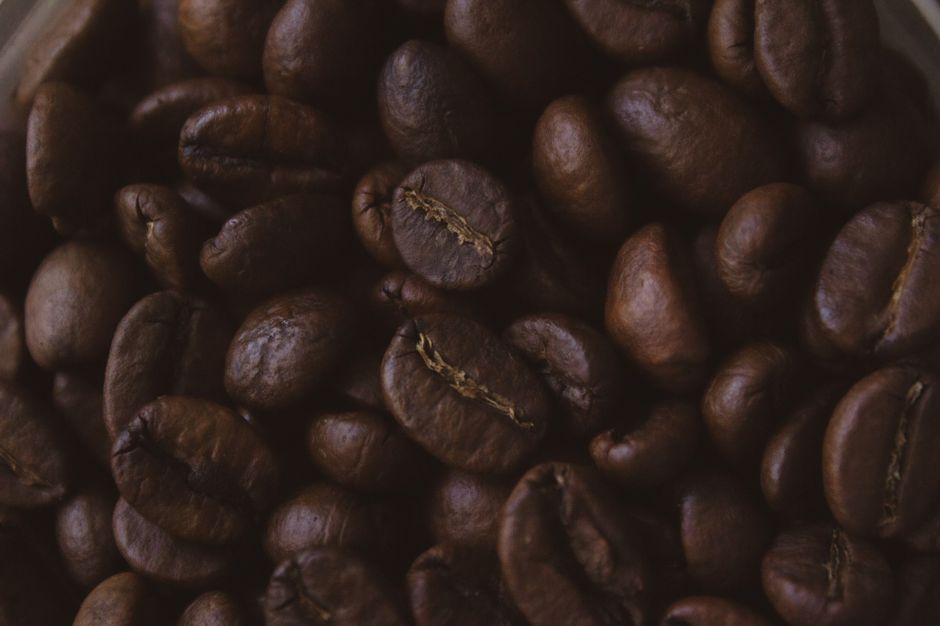
Good roasters tell you how to grind and brew their beans. You'll see notes like "coarse grind for French press" or "medium grind for drip."
This level of detail shows the roaster tested their beans with specific brewing methods and actually cares about your experience. It's a sign of a professional operation.
10. Buy from Roasters Who Roast Fresh and Ship Fast
The best beans in the world are useless if they sit in a warehouse for months before reaching you. Look for roasters who roast to order or roast frequently with quick shipping.
When you order from Everline Coffee Co., you're getting beans roasted fresh with global shipping speed built in. That's the difference between stale and sublime.
How to Tell If Your Beans Are Actually High Quality
Put it all together. A quality bag should have:
- A roast date within the last 2 weeks
- 100% Arabica on the label
- Specific tasting notes with complexity
- Single-origin information with altitude and processing method
- Airtight, professional packaging
- Grind recommendations
- A roaster who clearly cares about freshness
If a bag checks most of these boxes, you're holding quality beans. The taste will prove it the moment you brew your first cup.
Where to Find Quality Beans You Can Trust
The simplest way to guarantee quality is to buy from specialty roasters who are transparent about every detail. You want someone who obsesses over freshness, publishes tasting notes, and roasts in small batches.
That's exactly what Everline Coffee Co. does. Browse their collection of single-origin beans and curated blends—every bag is roasted fresh, clearly labeled, and ready to ship to you within days.
Once you taste truly fresh, high-quality beans, you'll understand why this matters. Coffee should be exciting, nuanced, and delicious. Not stale. Not mediocre. Real quality.
People Also Ask
What's the difference between light and dark roast coffee beans?
Light roasts are roasted for a shorter time, preserving the bean's origin flavors like citrus, fruit, and floral notes. They have more acidity and complexity. Dark roasts are roasted longer, bringing out deeper, smokier, more bitter flavors from the roasting process itself. Light roasts showcase the bean's true potential; dark roasts are bolder and less delicate. Choose based on your taste preference.
How long do quality coffee beans stay fresh?
Coffee beans are optimal for 2-4 weeks after roasting. They start losing flavor and aroma immediately after the roast. After about a month, they become noticeably stale. Always check the roast date and buy from roasters who ship fast. Using beans within this window guarantees the best flavor.
Is single-origin coffee better than blended coffee?
Single-origin is generally better if you want to taste complexity and understand coffee origins. You get distinctive flavors from a specific region and full traceability. Blends can be excellent too, but they mix beans from different sources. Everline Coffee Co. offers both—try single-origins first to develop your palate, then explore blends.
Why does altitude matter for coffee beans?
Beans grown at higher altitudes (above 4,000-5,000 feet) ripen more slowly, developing denser structure and more complex flavors. Lower altitude beans ripen faster and often taste less nuanced. High-altitude beans are consistently higher quality. Look for altitude information on the label as a sign of transparency and quality.