

How to Tell if Coffee is Fresh: 5 Signs to Look For
The difference between fresh coffee and stale coffee is night and day. A week-old bag tastes flat and lifeless, while beans roasted recently sing with sweetness, complexity, and life. But how do you actually know if your coffee is fresh when you're holding the bag?
There are five reliable ways to tell if coffee is fresh, and most of them take just a few seconds. Let's walk through each one so you can confidently grab beans that taste amazing.
Related: How to Make Cold Brew Coffee at Home
Related: Coffee Bean Recommendations by Taste Preference
In this article
1. Check the Aroma
The easiest test is your nose. Open a bag of fresh coffee beans and take a deep breath.
Fresh coffee smells lively, sweet, and punchy. You might catch fruity notes, chocolatey undertones, or floral hints depending on the roast level and origin. The aroma should jump out at you.
Related: Best Coffee Tasting Notes Chart for Beginners
Stale coffee? It smells muted and flat. There's no punch to it. If the bag barely smells like anything, the beans have lost their magic.
This is your first line of defense. Don't ignore what your nose is telling you.
2. Perform the Bloom Test
The bloom test is the most scientific way to check freshness, and it happens when you brew.
When you pour hot water over fresh coffee grounds, they release carbon dioxide (CO2) in a visible, bubbly reaction called "blooming." The grounds will swell and bubble vigorously for about 30-45 seconds. This bloom is a dead giveaway that your beans are young and alive.
Older beans produce little to no bloom because most of their CO2 has already escaped during storage. If your grounds barely fizz when you add hot water, you're looking at stale coffee.
The bloom test isn't just a freshness check—it actually improves your brew. When you let the beans bloom before continuing to pour, you get better flavor extraction. It's a win-win.
Related: Coffee Flavor Profiles Explained for Drinkers
3. Look at the Bean's Appearance
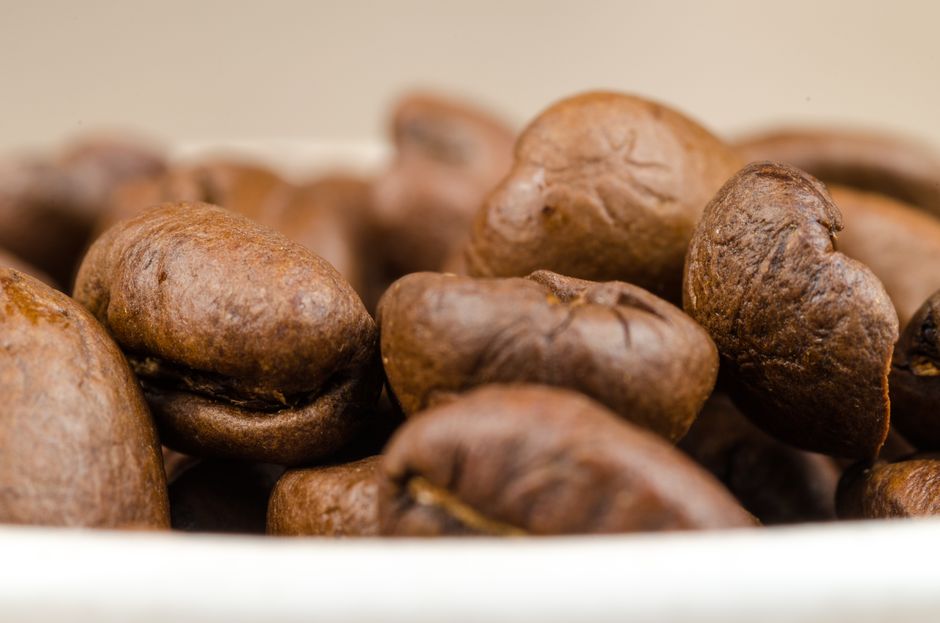
Visual inspection matters more than people think. Here's what to look for:
- Medium roasts should have a matte finish with a healthy, glossy shine—but not greasy.
- Dark roasts naturally appear shinier than light roasts, so don't mistake that for staleness.
- Avoid beans that look dusty, grey, or dull. Those are red flags.
Fresh beans look vibrant and alive. Stale beans look tired and sometimes even have a faded, greyish coating.
This might seem like a small detail, but it's one more signal that your coffee is in good shape. When you're shopping at Everline Coffee Co., you can expect beans that look this good because they're roasted fresh and shipped fast.
4. Taste It (The Real Test)

At the end of the day, flavor tells you everything.
Fresh coffee tastes sweet, full, and vibrant. You'll notice distinct notes—maybe caramel, berries, nuts, or chocolate depending on what you're drinking. The finish should be clean and linger pleasantly.
Related: Best Coffee Blends for Daily Drinking in 2026
Related: Best Premium Coffee Blends 2026: Top 6 Ranked
Stale coffee tastes flat and one-dimensional. It loses those sweet, complex notes and sometimes tastes papery or bitter in a bad way. If you brew a cup and it tastes dull, the beans have lost their edge.
This is why brewing method matters too. Even fresh beans won't shine if they're over-extracted or under-extracted. But assuming you're brewing correctly, freshness should be obvious in every sip.
5. Respect the Resting Period
Here's something a lot of people don't know: fresh-roasted beans need a little time to settle before they're at their peak.
Right after roasting, beans are still releasing gases and volatile compounds. If you brew them immediately, you might get a sour or overly intense cup. Most specialty roasters recommend waiting a few days (usually 3-7 days depending on the roast level) after the roast date before brewing.
Related: Best Specialty Coffee for Home Brewing in 2026
This resting period is part of what makes coffee "fresh" in the best way. It's not stale—it's optimized. The beans have had time to stabilize and develop their full flavor potential.
When you buy from Everline Coffee Co., the timing is already dialed in. The beans arrive ready to brew beautifully, with that sweet spot between freshness and optimal flavor already reached.
How to Store Your Coffee to Keep It Fresh
Once you have fresh beans, you need to keep them that way.
Store your beans in an airtight container away from light, heat, and moisture. A sealed bag with a valve (one-way degassing valve) works great. Keep it in a cool, dark cupboard—not on the counter in sunlight or above your stove.
Don't refrigerate or freeze your beans unless you're storing them for months. Cold temperatures can introduce moisture, which kills freshness fast.
The best approach? Buy beans in small quantities that you'll use within 2-4 weeks. Coffee peaks in flavor within the first few weeks after roasting and gradually declines after that. Fresh, frequent purchases beat stockpiling old bags.
What to Avoid When Buying Coffee
Now that you know what fresh looks like, here's what to stay away from:
- No roast date listed. If a bag doesn't tell you when the beans were roasted, assume they're old. Good roasters are proud of their dates.
- Overly greasy or dusty-looking beans. That coating is a sign of oxidation and age.
- Very dark or charred appearance. While dark roasts are naturally darker, beans that look burned have gone too far.
- Bags sitting on grocery store shelves for months. Big-box stores don't turn inventory fast enough for optimal freshness.
Freshness matters because it's the whole point of good coffee. You're not just buying beans—you're buying the roaster's skill, the farmer's work, and the care that went into getting those flavors into your cup.
People Also Ask
How long does coffee stay fresh after roasting?
Coffee is generally at its best within 2-4 weeks of the roast date. After that, flavor gradually fades as the beans oxidize. You can still brew decent coffee up to about 6-8 weeks, but peak freshness is the first month. Always check the roast date on your bag.
Can you tell if coffee is fresh before brewing it?
Yes. Use the aroma test, look at the bean's appearance, and check the roast date on the bag. If the beans smell lively and look glossy (not dull or grey), they're probably fresh. The bloom test during brewing is the most definitive check, but you can spot fresh beans before water touches them.
What happens if you brew with stale coffee beans?
Stale coffee brews flat and weak. You lose the sweetness, complexity, and vibrant notes that make coffee worth drinking. The cup might taste bitter or papery. You'll use more beans to try to compensate, wasting money and time. Fresh beans are worth seeking out.
Does the roast date matter more than the expiration date?
Roast date is everything. Expiration dates are usually vague and conservative. What you care about is how recently the beans were roasted. A bag roasted 10 days ago with an expiration date two years out is fresher than a bag with an expiration date six months away but roasted 6 weeks ago. Always prioritize roast date.