

Espresso vs Coffee: Key Differences Explained
Espresso and coffee are two totally different drinks, even though they start with the same bean. The main difference comes down to how they're brewed and how concentrated the final cup becomes. Understanding what sets them apart helps you pick what actually tastes good to you and matches how you want to feel after that first sip.
In this article
What's the Real Difference Between Espresso and Coffee?
Espresso is brewed by forcing hot water through finely ground coffee under pressure. The whole process takes about 25 to 30 seconds. You get a small, concentrated shot that's thick and intense.
Drip coffee (or regular brewed coffee) works differently. Hot water slowly drips through medium-ground coffee over several minutes. You end up with a larger cup that's more diluted and smoother on the palate.
Think of it this way: espresso is a punch, drip coffee is a longer story. One hits fast and hard, the other unfolds slowly as you sip. If you're curious about exploring different coffee profiles and want to start with quality beans, Everline Coffee Co. offers single-origin and blended options that work beautifully in both brewing methods.
Taste: Why Espresso Feels Stronger
Espresso tastes bold, rich, and sometimes bitter. The concentrated extraction pulls out intense flavors and oils from the beans. You might notice a layer of crema (that caramel-colored foam on top) which adds a unique texture.
Regular drip coffee tastes smoother and more balanced. The longer brewing time and larger water volume create a mellower cup with clearer flavor notes. You can actually taste the subtle differences between a Colombia single-origin and an Ethiopia Natural in drip coffee more easily than in espresso.
Here's the wild part: espresso can taste "stronger" even though it actually contains less caffeine per ounce than drip coffee. The concentrated nature and intense flavor profile just feel heavier on your tongue and throat.
Caffeine Content: The Surprising Truth
This one confuses a lot of people. A single shot of espresso has roughly 75 milligrams of caffeine. A cup of drip coffee (8 ounces) has roughly 95 to 200 milligrams depending on how strong you brew it.
But here's why espresso feels like it hits harder: you drink it in seconds, so the caffeine floods your system faster. Drip coffee releases its caffeine more gradually because you sip it over time. Both get the job done, just in different ways.
If you're sensitive to caffeine, drip coffee might be better because the slower absorption can feel gentler. Espresso is your move if you want an immediate jolt.
How the Brewing Methods Shape Your Cup

The brewing method is everything. Espresso requires an espresso machine that builds pressure and forces water through tightly packed grounds. The pressure is what creates that concentrated, syrupy texture and the crema.
Drip coffee is simpler. You add grounds to a filter, pour hot water over them, and let gravity do the work. No special pressure needed. This is why drip coffee is easier to make at home for most people.
Both methods work with fresh roasted beans. The quality of your starting beans matters just as much as how you brew them. Everline Coffee Co. specializes in fresh roasted beans that shine in both brewing styles, so you can experiment and find what clicks for you.
Which One Should You Choose?
Pick espresso if you like bold, intense flavors and want a small, quick caffeine boost. It's perfect for mornings when you need to go. Espresso is also the base for lattes, cappuccinos, and other milk drinks.
Choose drip coffee if you enjoy sipping slowly, want to taste the unique notes of single-origin beans, and prefer a larger cup. It's more forgiving to brew and works well if you're making coffee for multiple people.
You don't have to pick just one. Lots of coffee lovers keep both options in rotation. Espresso on busy mornings, drip coffee on weekends when there's time to linger.
Iced Options for Espresso Lovers
Want espresso cold? You can brew a shot and pour it over ice for iced espresso. You can also make iced cappuccinos or other milk-based espresso drinks by pulling a shot and adding cold milk or cream over ice.
This gives you that same concentrated intensity but in a refreshing format. Perfect for warmer months or if you just prefer cold drinks.
Getting the Recipe Right at Home
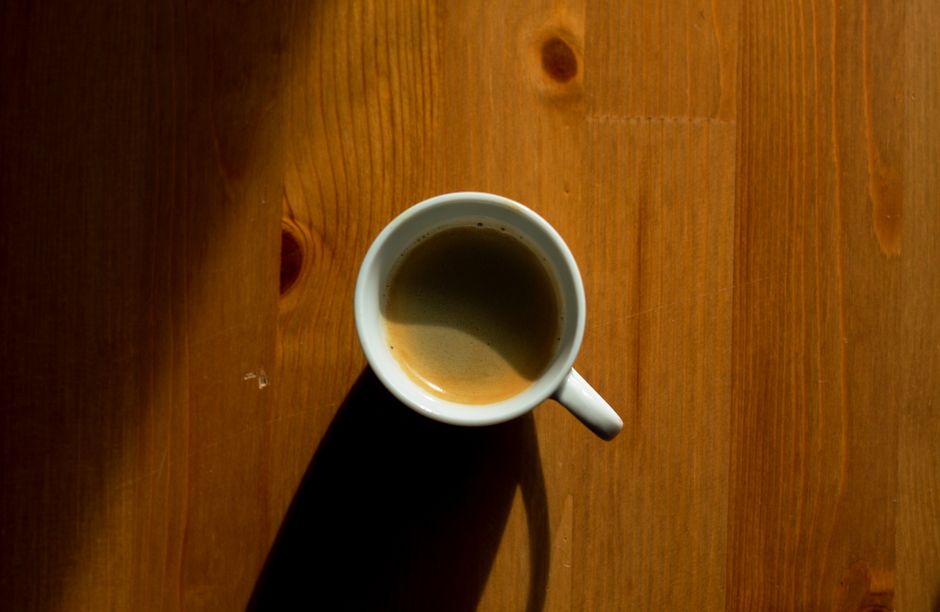
If you're brewing espresso at home, measurements matter. Use a consistent dose of ground coffee (usually 18 to 20 grams for a double shot), distribute it evenly in the portafilter, tamp it down firmly, and pull the shot for 25 to 30 seconds. Small changes in any of these steps change the taste.
For drip coffee, aim for a ratio of 1 part coffee to 16 parts water. So if you're making 8 ounces of coffee, use about 0.5 ounces of ground beans. Adjust this ratio to taste. Some people like it stronger, some weaker.
Starting with high-quality beans makes home brewing way easier. Everline Coffee Co. ships fresh roasted beans that are ready to brew, so you're not fighting stale coffee while you're learning the technique.
People Also Ask
Is espresso healthier than regular coffee?
Neither is inherently healthier. Espresso contains less total caffeine per serving but delivers it faster. If you have heart sensitivity or anxiety, the slower caffeine release from drip coffee might feel better. If you're looking for a quick energy boost without a huge cup, espresso wins. Both have antioxidants and other compounds coffee lovers appreciate.
Can you make espresso without a machine?
Not really, not true espresso. Espresso needs pressure to extract properly. You could use a Moka pot or an AeroPress to make something espresso-like, but it won't have the same crema or intensity. If you don't have an espresso machine, stick with drip coffee or cold brew.
Why does espresso have crema?
Crema is the foam layer that forms on top of a shot. It comes from gases and oils in the coffee beans being forced out by the high pressure during extraction. Crema adds texture and flavor, and it's a sign that your espresso shot was pulled correctly.
Which brewing method keeps coffee fresher longer?
Neither brewing method matters if your beans aren't fresh. Buy whole beans that were roasted recently and grind them right before brewing. Whole beans last longer than pre-ground coffee. Store them in an airtight container away from light and heat.