

Single Origin vs Blend Coffee: Which Is Right for You?
Here's the quick answer: single origin coffee comes from one specific region and shows off bold, distinctive flavors unique to that place. Blends mix beans from multiple origins to create a balanced, harmonious cup. Which one you choose depends on whether you want to taste something truly unique or prefer a smooth, consistent experience every time.
In this article
What Is Single Origin Coffee?
Single origin means your coffee beans all come from the same geographic location. We're talking one farm, one region, or one country. Think of it like wine from a specific vineyard.
When you buy a Colombia or Ethiopia Natural coffee, you're getting beans grown in that exact place with that exact terroir (fancy word for soil, altitude, and climate).
Single origins shine because they're transparent. You know exactly where your beans came from, how they were processed, and often which specific farm grew them. This traceability matters if you care about direct farmer relationships and ethical sourcing.
What Is a Coffee Blend?
A blend combines beans from two or more origins. The roaster carefully selects different bean types and mixes them to create something greater than the sum of its parts.
Think of blending like conducting an orchestra. Each instrument (origin) plays a role. One bean might bring sweetness, another adds body, a third contributes brightness. Together, they create balance.
Good blends aren't just thrown together. Everline Coffee Co. treats blending as a craft. The goal is consistency and harmony, not masking poor quality beans.
Related: Ethiopian Coffee vs Colombian Coffee: Which is Right for You?
Related: Light Roast vs Medium Roast Coffee: Which Is Right for You?
Flavor Differences: Single Origin vs Blend
This is where things get interesting.
Single origins are bold and distinctive. You'll taste what the region gave you. A Costa Rica might hit you with chocolate and nuts. Tanzania could bring bright citrus and floral notes. Each cup is like tasting the origin story.
Blends are smooth and refined. You won't get one dominant flavor. Instead, you get a cohesive experience. A blend might deliver balanced sweetness, medium body, and a clean finish without any single note jumping out.
This is why single origins appeal to coffee enthusiasts who want to explore. Blends are perfect for people who just want a reliably good cup every morning.
Single Origin Strengths
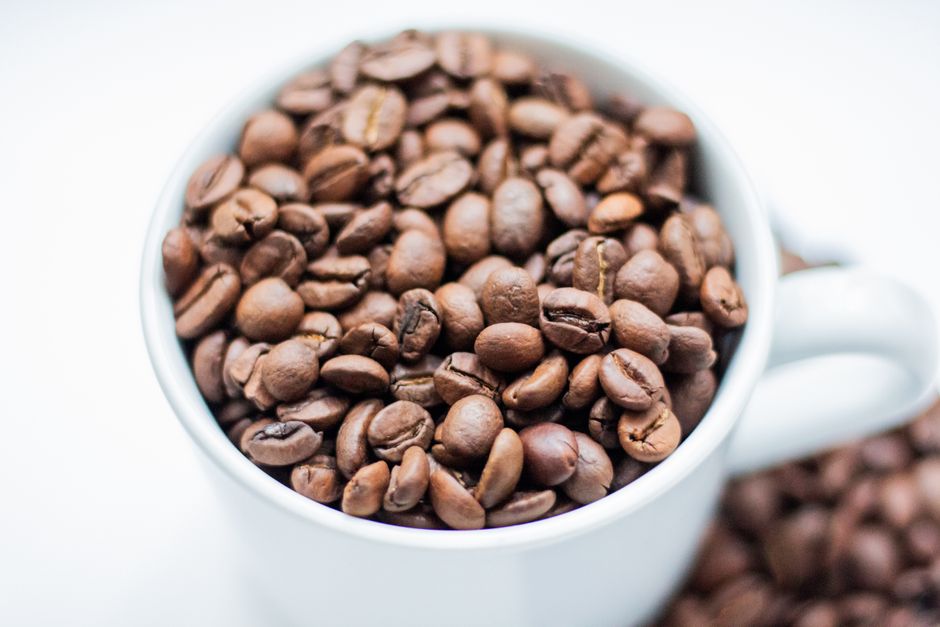
Flavor complexity. Single origins showcase what coffee can really taste like. Washed coffees especially highlight the origin characteristics. You get terroir on your tongue.
Related: Best Single Origin Coffees by Region: 2026 Guide
Traceability and ethics. You can often trace your beans back to a specific farm or cooperative. This supports direct farmer relationships and fair prices.
Exploration. Trying different single origins is how you learn what flavor profiles you actually love. Your taste evolves.
Seasonal variety. Each harvest is slightly different, so single origins keep things fresh and interesting throughout the year.
Blend Advantages
Consistency. A great blend tastes the same every time. If you have a morning routine and you like knowing exactly what to expect, blends deliver.
Balanced flavor. Blending creates a cup that doesn't shock your palate. It's refined, smooth, and easy to enjoy without really thinking about it.
Versatility. Blends work in any brewing method. Whether you're making espresso, pour-over, or French press, a well-designed blend shines across the board.
Value. Blending lets roasters create quality coffee at different price points. You can get excellent flavor without paying single-origin premiums.
Related: Best Places to Buy Premium Single Origin Coffee 2026
Which Should You Choose?
Go single origin if you:
- Love tasting different flavors and exploring new origins
- Use pour-over, Aeropress, or other methods that highlight complexity
- Care about knowing exactly where your beans come from
- Are willing to pay a bit more for specialty experiences
Go with a blend if you:
- Want the same reliable cup every single morning
- Brew espresso or milk-based drinks (cappuccino, latte)
- Prefer balance over boldness
- Want solid quality without worrying about origin specifics
Honest take: you don't have to choose just one. Most coffee lovers keep both on rotation. Try a single origin on weekends when you have time to really taste it. Use a dependable blend on busy weekdays.
Related: Single Origin Coffee: What It Is & Why Coffee Lovers Choose It
How to Explore Both at Everline Coffee Co.

The best way to understand this difference is to try both. Everline Coffee Co. carries excellent single origins like Honduras, Guatemala, and Bali Blue so you can taste regional differences firsthand.
They also offer thoughtfully designed blends like the Breakfast Blend and Latin American Blend that bring together multiple origins in intentional ways.
Start with a single origin you're curious about. Then try a blend. Pay attention to how each one tastes and what you actually enjoy. That's how you figure out your coffee preferences.
All of Everline's coffee ships fresh roasted, so you're getting peak flavor whether you go single origin or blend.
People Also Ask
Is single origin coffee more expensive than blends?
Usually, yes. Single origins often cost more because they're specialty products from specific farms and regions. You're paying for traceability, uniqueness, and often direct farmer relationships. Blends can deliver excellent quality at lower price points because roasters combine beans strategically.
Do blends use lower quality beans?
Not at all. Blending itself is a neutral process. A well-made blend uses carefully selected, quality beans combined for a specific purpose. Poor blends exist, sure, but so do poor single origins. Quality depends on the roaster's skill and standards, not whether the coffee is a blend or single origin.
Can I use single origin coffee for espresso?
Absolutely. Some single origins make fantastic espresso. The key is understanding that espresso concentrates flavors. A single origin's bold characteristics might become even more intense in espresso form. Some people love this, others prefer the balance a blend provides for milk drinks.
How do I know what flavors to expect from a single origin?
Check the tasting notes on the bag. Most specialty roasters, including Everline Coffee Co., describe what you'll taste based on the origin and processing method. But remember, tasting is personal. What tastes like chocolate to me might taste like caramel to you. That's part of the fun.